
-
Informations +968 793 793 79
-
Sales Department +968 99 26 36 46
-
United Arab Emirates +971 526 324 552
Test & Measuring Instruments
Test & Measuring Instruments for Electrical Testing in Oman & UAE
Test & measuring instruments allow electricians and technicians to verify electrical performance, diagnose faults, and ensure safe system operation. Because electrical installations require accuracy, professionals rely on these tools during installation, commissioning, and maintenance. As a result, they reduce downtime, prevent equipment damage, and improve safety standards.
At UniGulfSupply, we supply reliable electrical testing equipment for contractors, panel builders, and industrial maintenance teams across Oman & UAE. Our range supports troubleshooting, preventive inspection, and system verification in commercial and industrial environments.
Technicians commonly use these instruments alongside Control Panels, Switchgear, Electrical Panels, and Industrial Machines. Therefore, proper testing confirms correct wiring, stable voltage levels, insulation integrity, and load performance.
Products Included in This Category
This category typically includes:
Digital multimeters
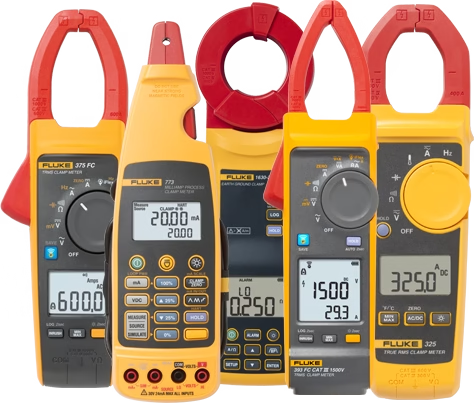
Digital clamp meters
Flexible clamp meters
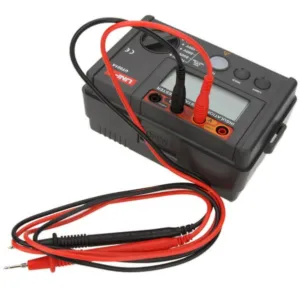
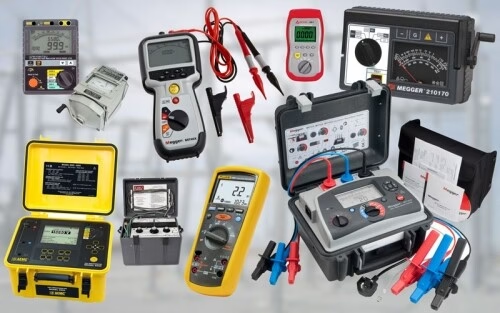
Insulation resistance testers (megger testers)
Scope meters
Kilowatt power meters
Voltage and continuity testers
Potentiometers
Each instrument serves a specific purpose. For example, multimeters measure voltage and resistance, while clamp meters measure current without disconnecting cables. Meanwhile, insulation testers evaluate cable health before energizing systems.
Why Electrical Testing Is Important
Electrical faults often remain hidden until equipment fails. However, proper testing helps detect loose connections, overload conditions, and insulation breakdown before serious damage occurs.
Using professional measuring instruments helps you:
Verify voltage and current levels
Detect insulation leakage
Measure power consumption
Confirm circuit continuity
Ensure compliance with safety standards
Reduce maintenance downtime
Consequently, technicians commission systems with confidence and maintain reliable performance over time.
Typical Applications
Electricians and engineers use test instruments in:
Electrical control panels
Distribution boards
Motor control centers
Generators and pumps
HVAC systems
Factory machinery
Automation systems
Infrastructure projects
Because every installation requires verification, testing equipment remains essential in both new projects and ongoing maintenance work.
How These Instruments Are Used
A typical workflow includes:
Inspect wiring connections
Measure voltage and continuity
Check insulation resistance
Verify current load
Confirm operational stability
This structured testing process ensures safe energization and long-term system reliability.
Selecting the Right Test Instrument
Choose the appropriate device based on:
Measurement type (voltage, current, resistance, power)
Required current range
Insulation testing requirement
AC or DC application
Portability and safety rating
For example, clamp meters suit live current testing, while insulation testers evaluate cable insulation before commissioning.
FAQs
What is the difference between a multimeter and a clamp meter?
A multimeter measures voltage, resistance, and continuity using probes, whereas a clamp meter measures current without disconnecting the conductor.
Why is insulation testing necessary?
Insulation testing helps detect cable deterioration and prevents electrical leakage or short circuits.
Are test instruments required after installation?
Yes. Technicians use them during commissioning and periodic inspections to maintain system safety.
Clamp Meters (3)
Infrared Thermometers (1)
Insulation Testers (2)
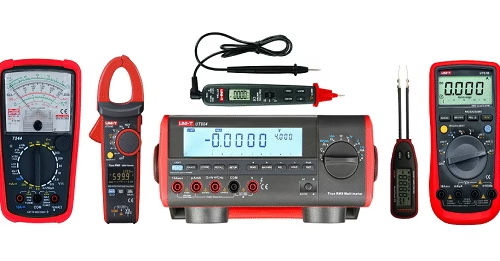
Multimeters (2)
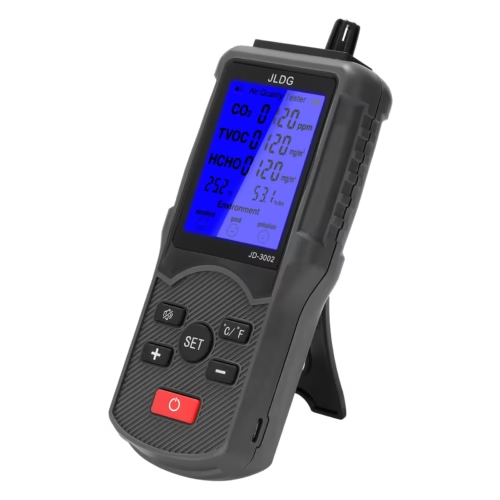
Air Quality Tester | CO2 Gas TVOC Sensor
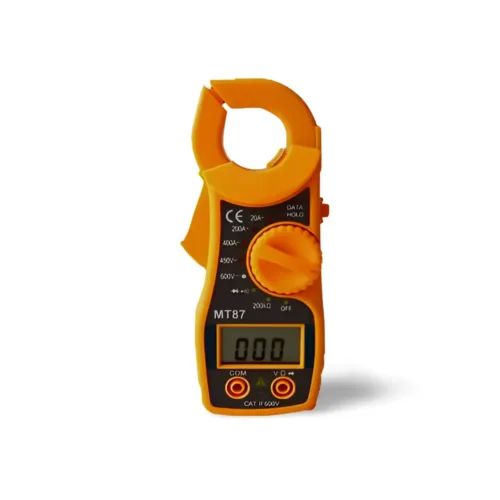
Digital Clamp Meter | AC DC
Original price was: ر.ع.24.500.ر.ع.23.800Current price is: ر.ع.23.800.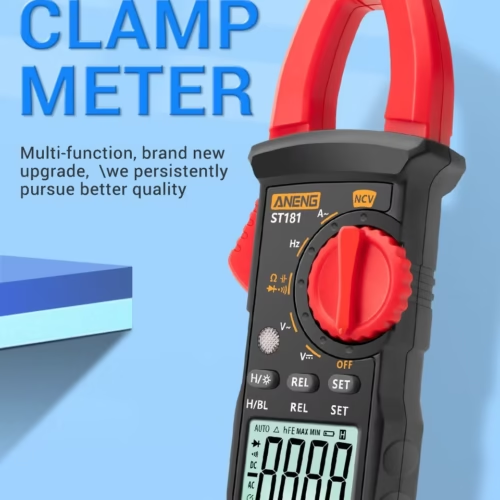
Digital Clamp Meter | AC/DC ST181
Original price was: ر.ع.23.500.ر.ع.21.800Current price is: ر.ع.21.800.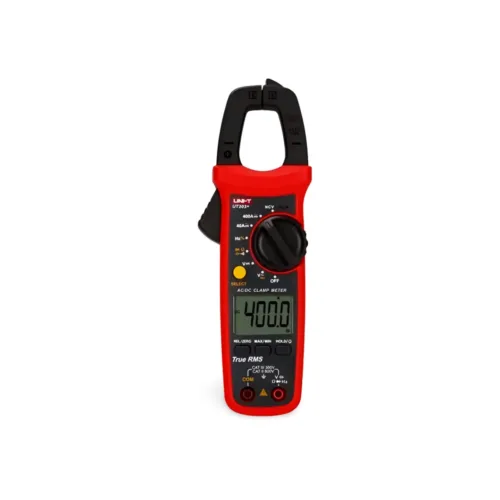
Digital Clamp Meter AC DC | UT203+ (UNI-T)
ر.ع.24.500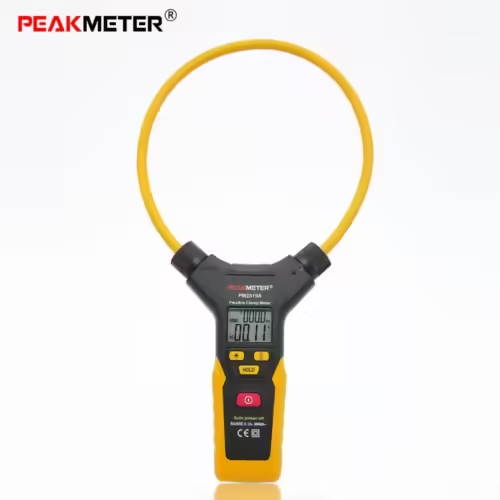
Digital Flexible Clamp Meter
Original price was: ر.ع.67.000.ر.ع.63.000Current price is: ر.ع.63.000.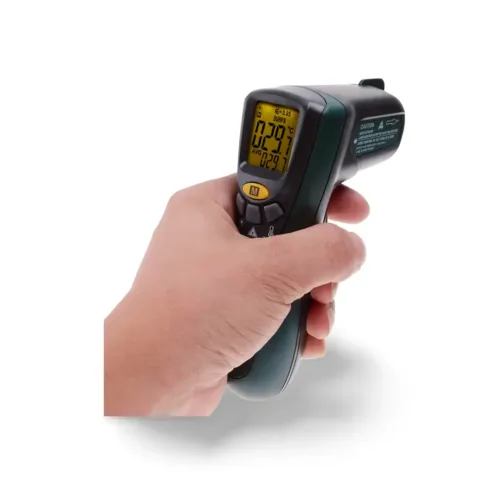
Digital Infrared Thermometer | MS6520A (Mastech)
ر.ع.25.000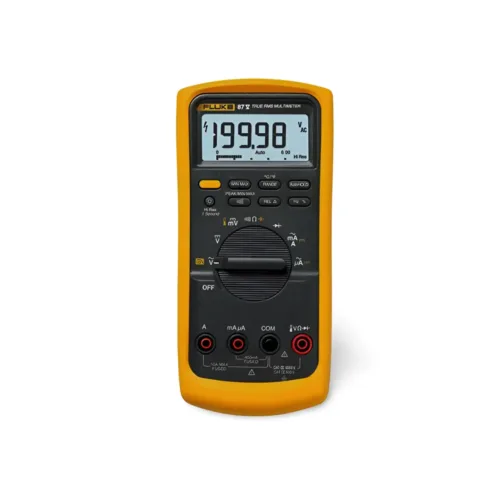
Digital Multimeter | 87-V (Fluke)
Original price was: ر.ع.285.000.ر.ع.278.000Current price is: ر.ع.278.000.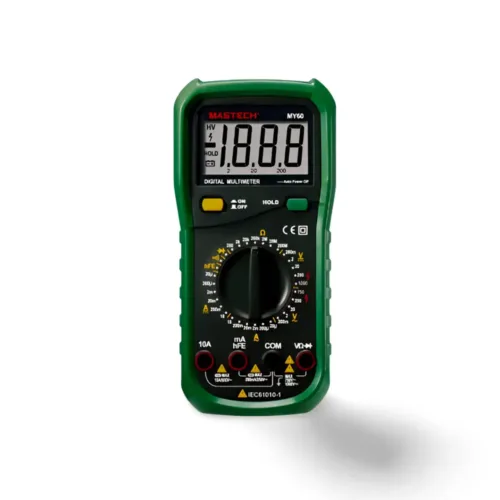
Digital Multimeter | MY60 Series (Mastech)
Original price was: ر.ع.38.000.ر.ع.33.000Current price is: ر.ع.33.000.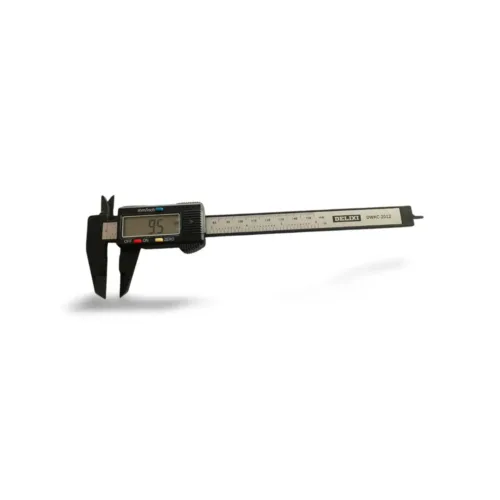
Digital Vernier Caliper | 0-150mm
ر.ع.4.200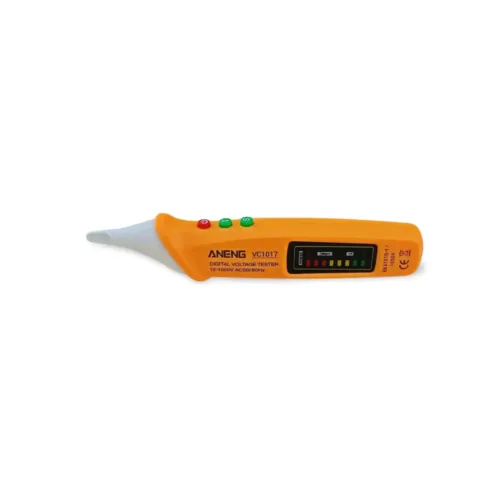
Digital Voltage Detector | EN61010-1
ر.ع.4.500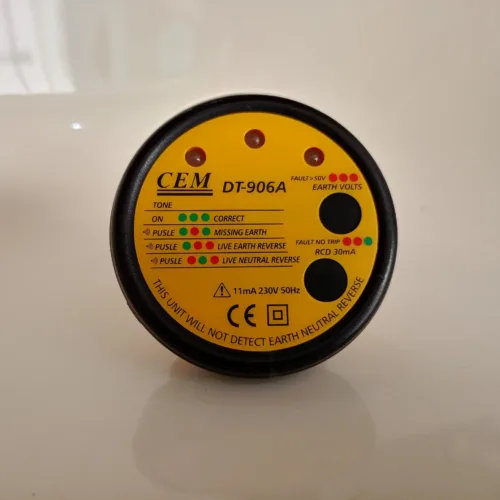
Earth Leakage Tester l DT-906A
Original price was: ر.ع.8.500.ر.ع.6.500Current price is: ر.ع.6.500.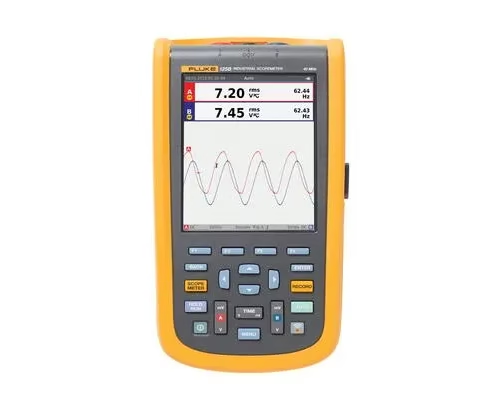
Fluke 120B Scope Meter CAT III 600V
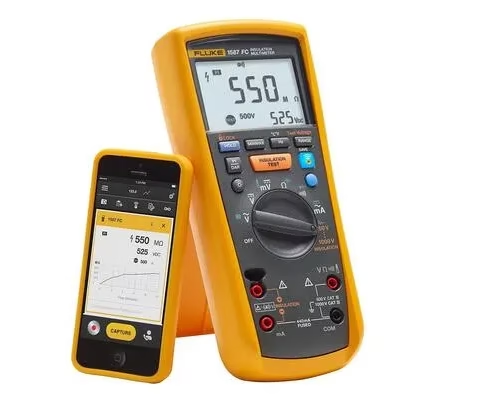
Fluke 1587FC Insulation Multimeter 1000V Megger
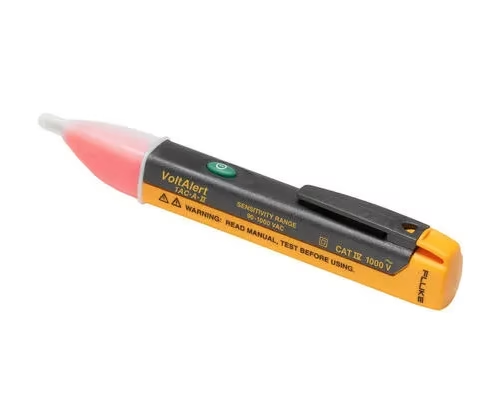
Fluke Contact Voltage Tester – 90V-1000VAC Pocket Size
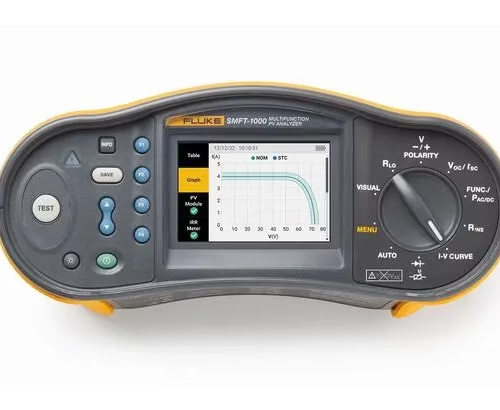
Fluke SMFT-1000 Solar Pro Kit | V Curve Tracer
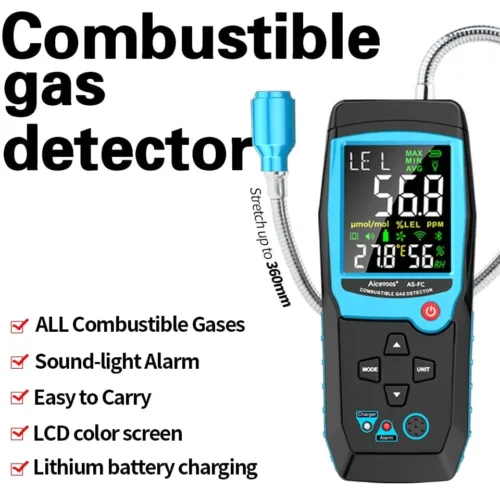
Gas Leak Detector | Natural Gas Tester
Original price was: ر.ع.48.500.ر.ع.42.500Current price is: ر.ع.42.500.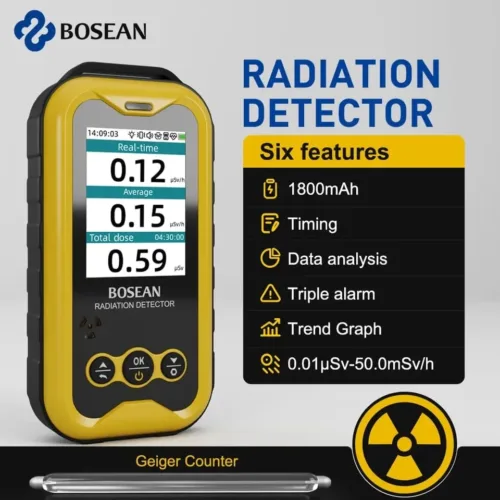
Geiger Radiation Detector | FS5000
Original price was: ر.ع.48.500.ر.ع.43.500Current price is: ر.ع.43.500.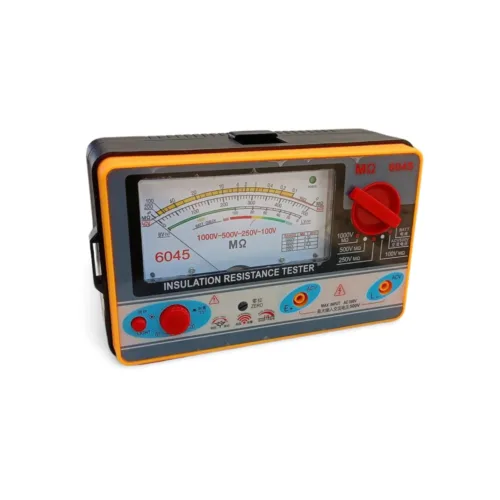
Insulation Resistance Tester | TY6045 Megger
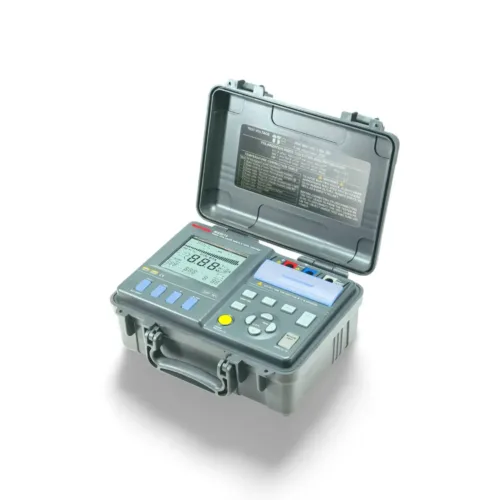
Insulation Tester | MS5215 (MEGGER)
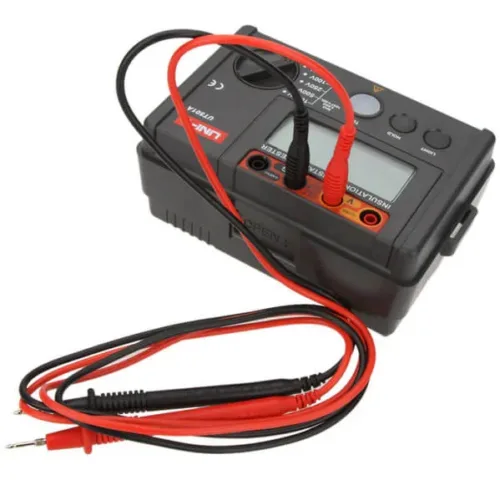
Insulation Tester Meter | UT501A (UNI-T)
ر.ع.95.000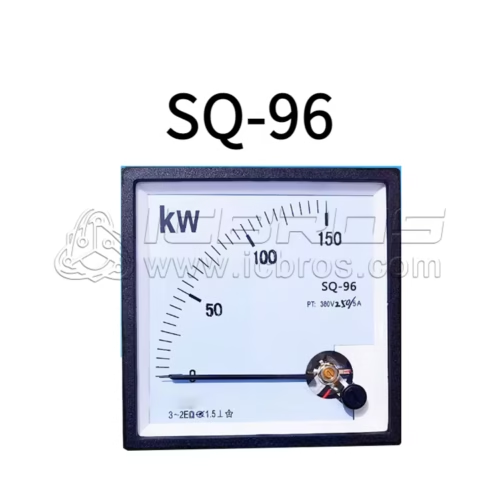
Kilo Watt Power Meter | 96 x 96
Original price was: ر.ع.18.500.ر.ع.17.600Current price is: ر.ع.17.600.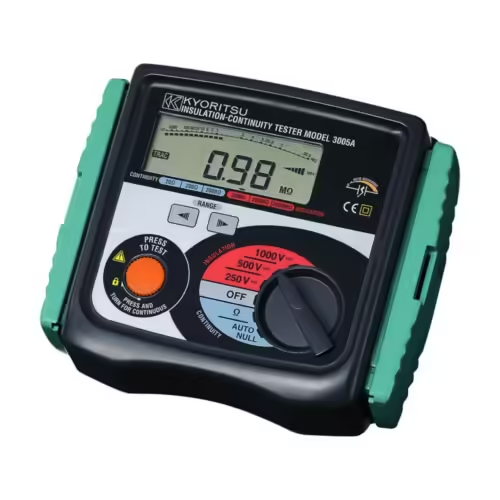
KYORITSU 3005A INSULATION TESTER | MEGGER
Original price was: ر.ع.185.000.ر.ع.175.000Current price is: ر.ع.175.000.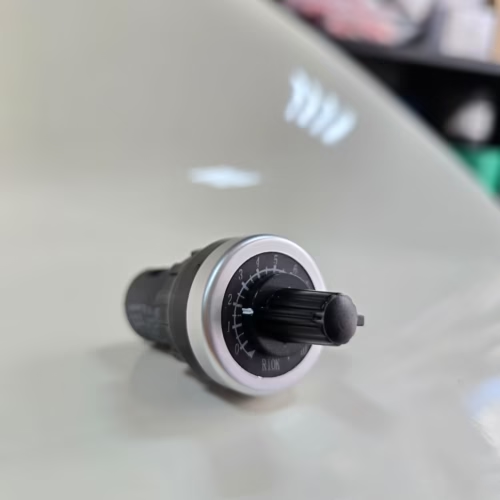
LA42DWQ-22 1K 2K 5K 10K | Potentiometer
Original price was: ر.ع.11.500.ر.ع.9.800Current price is: ر.ع.9.800.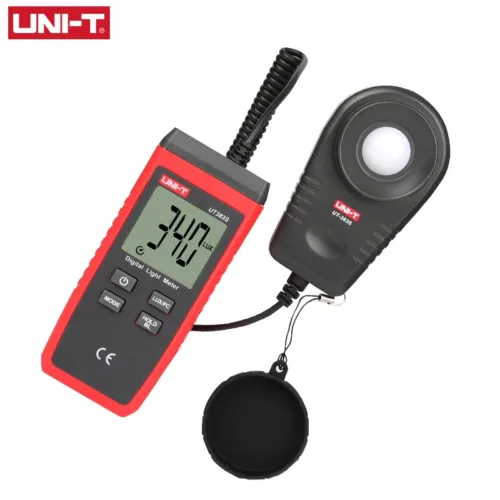
Light Meter UT383S
Original price was: ر.ع.53.000.ر.ع.49.600Current price is: ر.ع.49.600.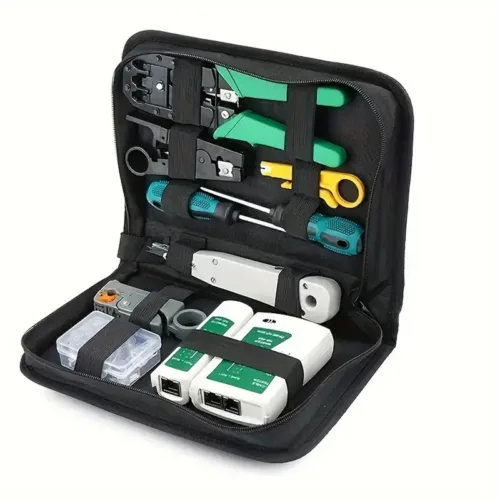
Network Crimping Tool Kit | RJ11/RJ12/RJ45 Cat5/5e
Original price was: ر.ع.18.500.ر.ع.15.500Current price is: ر.ع.15.500.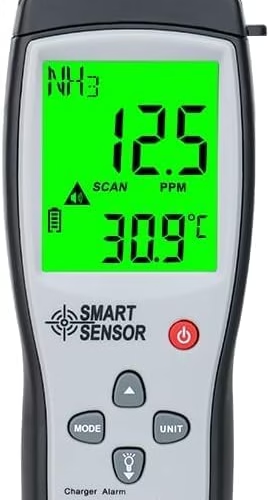
Portable 0-100 PPM Ammonia Meter NH3 Gas Detector
Original price was: ر.ع.265.000.ر.ع.258.000Current price is: ر.ع.258.000.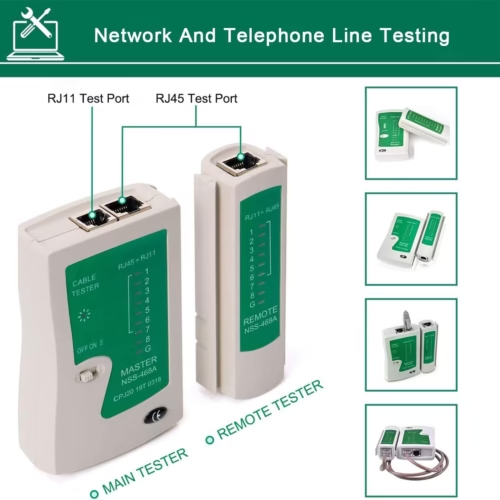
RJ45 Remote Ethernet Cable Tester
Original price was: ر.ع.11.500.ر.ع.10.800Current price is: ر.ع.10.800.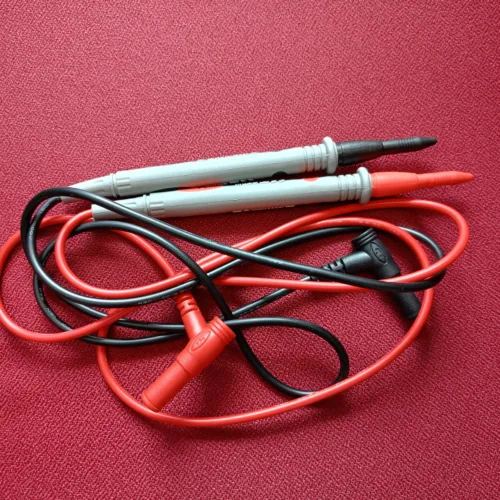
Test Wire Suite
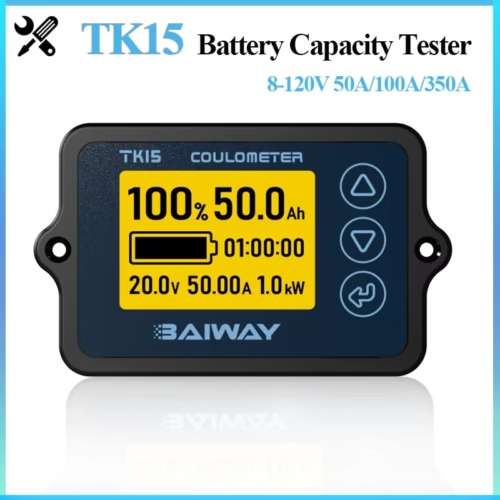
TK15H Battery Capacity Monitor Coulometer DC 8-120V 500A for Lithium Lead-Acid
Original price was: ر.ع.188.000.ر.ع.183.800Current price is: ر.ع.183.800.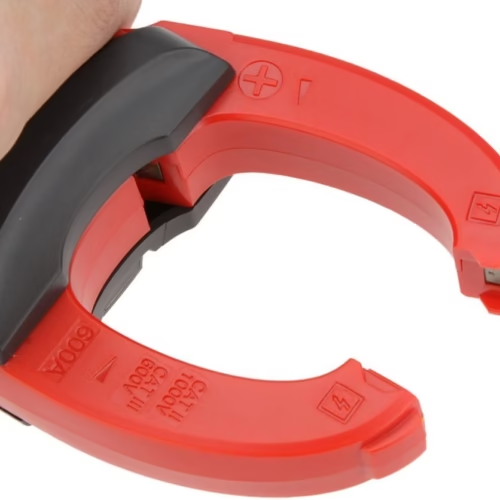
UNI-T UT216C Digital Clamp Meter – 600A ACDC CAT IV
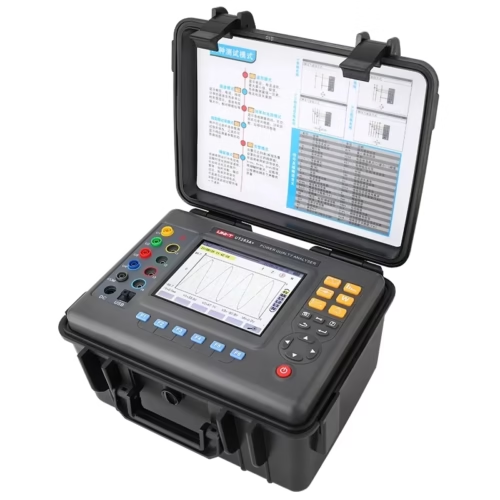
UNI-T UT283A+ 3Phase Power Analyzer Current Harmonics Energy Logger Power Monitor
Original price was: ر.ع.635.000.ر.ع.625.000Current price is: ر.ع.625.000.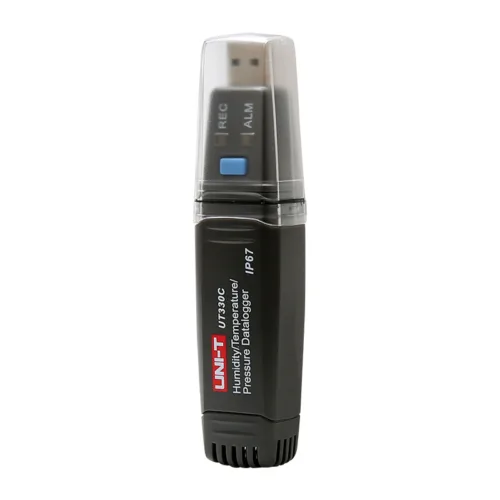
UT330B | USB Series Dataloggers
Original price was: ر.ع.48.500.ر.ع.42.500Current price is: ر.ع.42.500.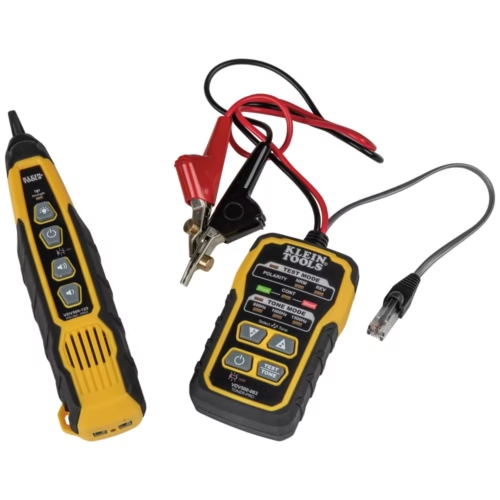
VDV500-820 Cable Tracer | Tone Probe Kit
Original price was: ر.ع.48.800.ر.ع.47.600Current price is: ر.ع.47.600.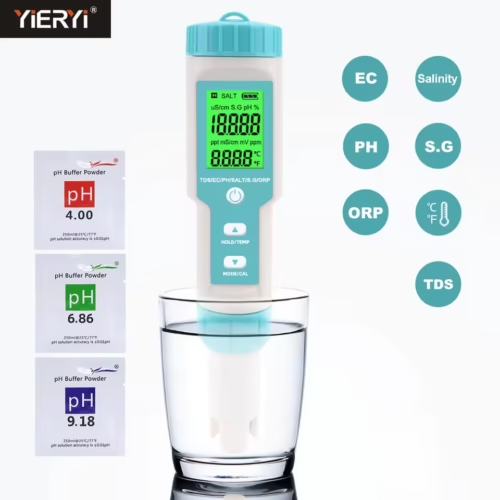
Water Quality Meter | Digital PH TDS Tool
Original price was: ر.ع.88.700.ر.ع.83.300Current price is: ر.ع.83.300.