
-
Informations +968 793 793 79
-
Sales Department +968 99 26 36 46
-
United Arab Emirates +971 526 324 552
Valves
Industrial Valves for Flow Control in Mechanical and Utility Systems
Industrial valves control, direct, and regulate the flow of liquids, gases, and steam in industrial and building systems. They allow operators to manage pressure, isolate equipment, and maintain safe operation. As a result, systems run efficiently and remain protected during both operation and maintenance.
At UniGulfSupply, we supply reliable industrial valves for HVAC systems, water networks, oil & gas applications, and general industrial use across Oman & UAE. These solutions support safe flow control in both mechanical and electrically controlled systems.
Role of Industrial Valves in Industrial Systems
These valves form a key part of mechanical and process infrastructure. They regulate flow, isolate sections, and protect equipment from pressure fluctuations.
In modern installations, many valves integrate with Industrial Control & Automation Systems, where automated control improves system efficiency and response time. In addition, electrically actuated valves often connect to Electrical Control Panels for centralized operation and monitoring.
Types of Industrial Valves
This category includes a wide range of valve types designed for different applications:
- Solenoid valves (electrically controlled)
- Control valves (flow and pressure regulation)
- Shut-off valves (isolation valves)
- HVAC valves (heating and cooling systems)
- Water control valves (fluid distribution systems)
Each type supports a specific function, from manual isolation to fully automated process control.
Why these Valves Are Important!
Industrial systems depend on precise flow control and safe isolation. However, without proper valves, systems may experience pressure instability, leaks, or operational failure.
Using industrial valves helps you:
- regulate flow and pressure accurately
- isolate equipment during maintenance
- protect systems from overpressure
- improve operational efficiency
- enhance system safety and reliability
Because many systems operate continuously, proper valve selection directly impacts performance and safety.
Typical Applications
Industrial valves are widely used in:
- HVAC and refrigeration systems
- water treatment and distribution
- oil & gas and process industries
- industrial automation systems
- mechanical and utility installations
They are especially important in integrated systems where mechanical processes interact with electrical control systems. In such cases, monitoring tools like Electrical Test & Measuring Instruments help verify system performance during operation and maintenance.
How Industrial Valves Work
Industrial valves operate by opening, closing, or partially obstructing a flow path. Depending on the design, they may be manually operated or controlled electrically or pneumatically.
A typical operation includes:
- receiving control input (manual or automatic)
- adjusting internal mechanism (disc, ball, or gate)
- regulating or stopping flow
- maintaining system pressure and direction
Because of this controlled operation, valves help maintain stable and safe system performance.
Selecting the Right Industrial Valve
Choosing the correct valve depends on several factors:
- fluid type (water, air, gas, chemicals)
- pressure and temperature rating
- control method (manual, electric, automated)
- connection type (threaded, flanged, welded)
- installation environment (indoor, outdoor, hazardous)
For automated systems, electrically actuated valves must match the control system requirements.
Industry Applications in Oman & UAE
Across Oman & UAE, industrial valves play a key role in:
- infrastructure and utility systems
- industrial manufacturing facilities
- HVAC and building services
- oil & gas installations
- water and process systems
Engineers and maintenance teams rely on these components to ensure safe, controlled, and efficient system operation.
FAQs
What is the main function of an industrial valve?
It controls, regulates, or isolates the flow of fluids within a system.
What is the difference between a solenoid valve and a manual valve?
A solenoid valve operates electrically, while a manual valve requires physical operation.
How do I choose the right valve size?
Match the valve size to the pipeline diameter and required flow rate.
Are industrial valves suitable for high-pressure systems?
Yes, provided they meet the required pressure and temperature ratings.
Reliable Flow Control for Industrial Systems
Industrial valves are essential for managing fluid flow and protecting system performance. Therefore, selecting the right valve ensures safe operation, efficient control, and long-term reliability across industrial and utility applications.
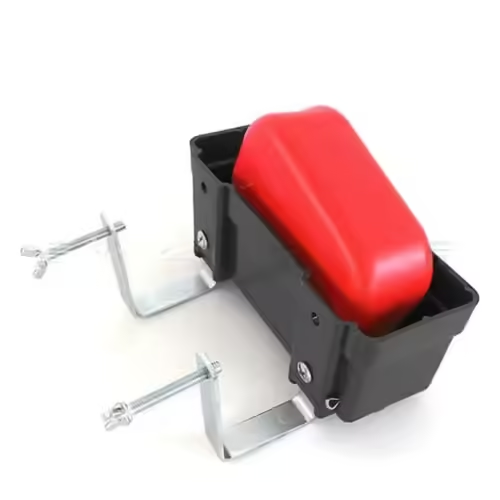
Automatic Float Valve | Tank Float Valve
Original price was: ر.ع.88.800.ر.ع.82.500Current price is: ر.ع.82.500.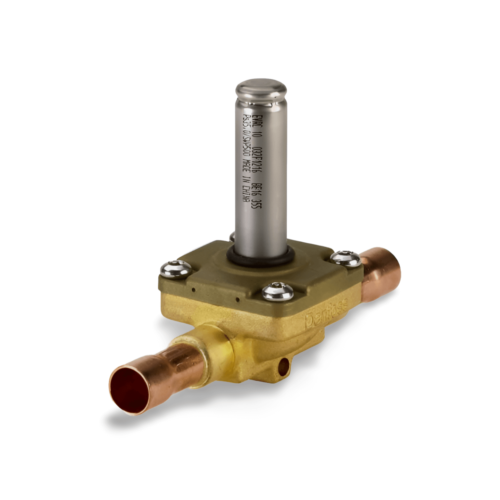
Danfoss Solenoid valve EVRC 20 Valve ODF 7/8in Multi 6
ر.ع.75.000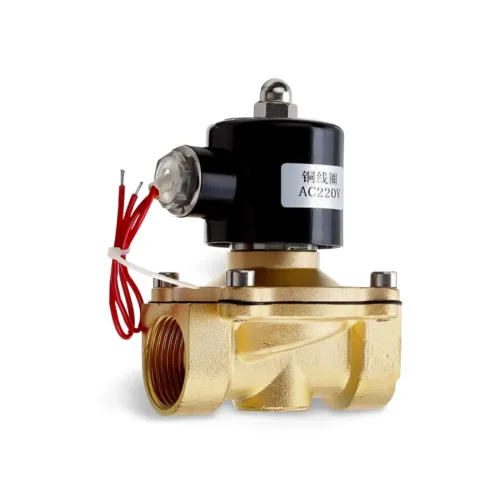
Electric Solenoid Valve | 2inch for Water Air Gas
Original price was: ر.ع.78.500.ر.ع.74.500Current price is: ر.ع.74.500.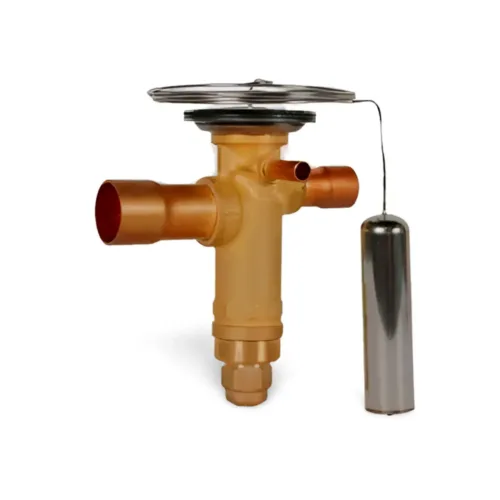
Thermal Expansion Valve | R410A 067N3152 (Danfoss)
ر.ع.65.000
Universal central air-conditioning | water valve
Original price was: ر.ع.32.500.ر.ع.29.800Current price is: ر.ع.29.800.