
-
Informations +968 793 793 79
-
Sales Department +968 99 26 36 46
-
United Arab Emirates +971 526 324 552
Multimeters
Digital Multimeters for Electrical Testing and Diagnostics
Digital Multimeters are essential instruments used to measure voltage, current, and resistance in electrical systems. Electricians and technicians rely on this tool to verify circuit performance, troubleshoot faults, and confirm safe installations.
Because industrial systems require accurate diagnostics, reliable testing equipment plays a critical role in maintenance work. Technicians often combine digital testing devices with Clamp Meters to measure current in live circuits. Together, these instruments support safe and efficient electrical troubleshooting.
At UniGulfSupply, we supply professional electrical testing equipment suitable for maintenance, industrial diagnostics, and system verification across Oman and the UAE.
Types of Electrical Testing Instruments
Different environments require different testing capabilities. Therefore, manufacturers offer several types of devices designed for electrical diagnostics.
Common options include:
Handheld digital testing instruments for field inspections
Industrial diagnostic devices designed for heavy-duty environments
Portable models suitable for service technicians
Advanced instruments with multiple measurement functions
Technicians often use these instruments alongside Insulation Testers when checking cable insulation.
Why Electrical Measurement Tools Are Important
Electrical systems must operate safely and efficiently at all times. Technicians depend on reliable diagnostic tools when inspecting installations or identifying faults.
These instruments help by:
Checking voltage levels in circuits
Measuring electrical resistance
Verifying wiring continuity
Supporting troubleshooting during maintenance work
Additionally, Thermal Cameras detect overheating components that may not be visible through standard measurements.
Typical Applications
Electrical measurement instruments are widely used across industrial and commercial environments.
Applications include:
Electrical control panel testing using DIN Rail Terminal Blocks
Industrial machinery maintenance with Control Cables
Power distribution inspections in labelled circuits with Cable Identification systems
Automation system diagnostics
Infrastructure electrical troubleshooting
Selection Guide
Choosing the correct testing instrument depends on several factors.
Consider the following:
Measurement range and accuracy
Safety rating for electrical work
Display readability in industrial environments
Portability for field technicians
Additional diagnostic functions
These instruments are often used together with Electrical Tools like cable cutters, wire strippers, and pliers for efficient fieldwork.
Industry Use in Oman & UAE
Electrical contractors, maintenance engineers, and automation technicians across Oman and the UAE rely on professional digital diagnostic instruments when inspecting electrical panels, machinery, and industrial systems.
Related Electrical Testing Equipment
Digital multimeters are part of a larger ecosystem of diagnostic tools.
Clamp Meters – measure current safely without disconnecting cables
Insulation Testers – verify cable insulation integrity
Thermal Cameras – detect heat faults in panels and equipment
Voltage detectors – safety checks for live systems
Using these instruments together ensures comprehensive testing and troubleshooting.
FAQ
What does a digital multimeter measure?
It measures voltage, resistance, and current in electrical circuits.
Where are digital multimeters commonly used?
Technicians use them in electrical installations, maintenance operations, and industrial diagnostics.
Why is accurate measurement important?
Correct measurements identify faults early and ensure electrical system reliability.
Electrical Diagnostic Tools for Industrial Maintenance
Industrial electrical systems require reliable testing tools to ensure safe operation. Technicians typically:
Verify voltage using digital multimeters
Measure current with Clamp Meters
Test insulation using Insulation Testers
Inspect panel heat signatures with Thermal Cameras
Because each tool provides unique diagnostic insights, professionals rely on a combination to maintain electrical systems safely and efficiently.
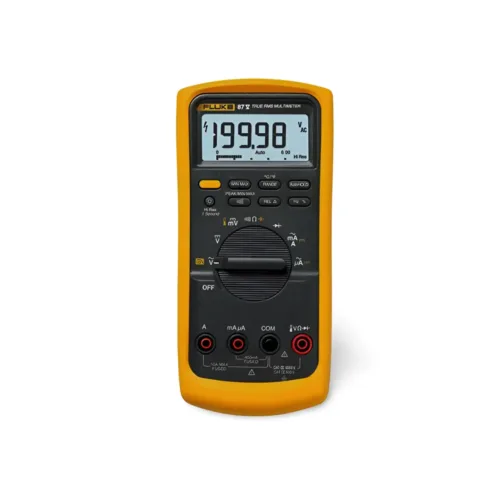
Digital Multimeter | 87-V (Fluke)
Original price was: ر.ع.285.000.ر.ع.278.000Current price is: ر.ع.278.000.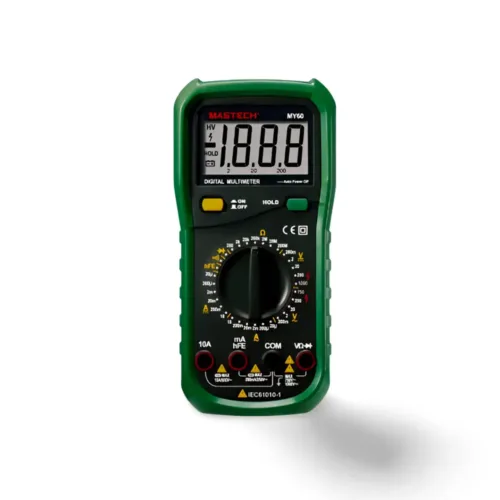
Digital Multimeter | MY60 Series (Mastech)
Original price was: ر.ع.38.000.ر.ع.33.000Current price is: ر.ع.33.000.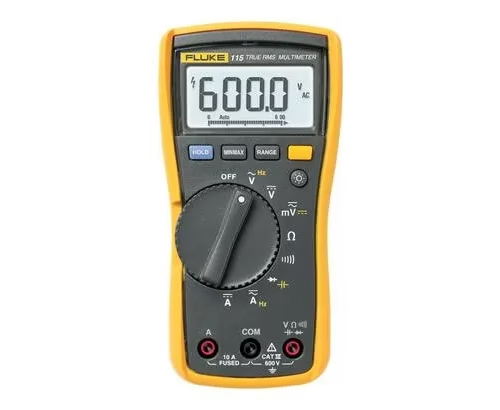
Fluke 115 True RMS Digital Multimeter – AC/DC Volt
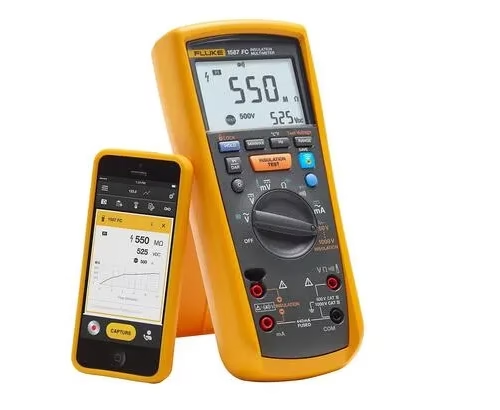
Fluke 1587FC Insulation Multimeter 1000V Megger
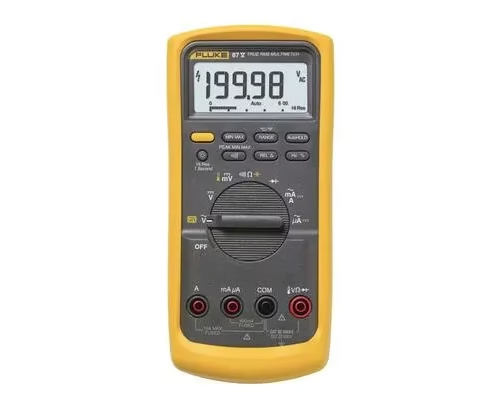
Fluke 87V TRMS Industrial Multimeter