
-
Informations +968 793 793 79
-
Sales Department +968 99 26 36 46
-
United Arab Emirates +971 526 324 552
Industrial Switches
Industrial Switches for Electrical Control & Automation
Industrial switches allow operators to safely start, stop, isolate, or change machine operating modes within an electrical control system. They provide manual command input to automation circuits and serve as the human interface between operators and machinery.
At UniGulfSupply, we supply durable industrial switches designed for control panels, machinery, and demanding industrial environments across Oman & UAE. These switches ensure reliable operation, fast response, and safe equipment control in automation applications.
Industrial switches transmit electrical control signals to connected devices such as controllers, relays, and motor starters. As a result, motors, alarms, and automated equipment respond immediately to operator commands.
Types of Industrial Switches Available
This category includes:
• Selector switches
• Rotary / cam changeover switches
• Toggle switches (heavy-duty panel type)
• Key switches
• Emergency stop switches (E-Stop)
• Isolator / disconnect switches
(Note: Limit switches and micro switches are classified as sensing devices and are available under Industrial Sensors)
These switches typically operate together with Industrial Sensors and
Relays & Contactors.
They are also installed inside Control Panel Components and frequently used alongside Variable Frequency Drives (VFD).
Why Industrial Switches Are Important
Every control system requires safe and reliable manual input. Industrial switches provide that control point.
When properly installed, switches allow operators to:
• Start or stop machines
• Select operating modes (Manual / Auto)
• Reset system faults
• Isolate equipment for maintenance
• Trigger alarms or safety functions
As a result, operators maintain safe control over automated systems. Properly selected switches also help prevent accidental machine operation and improve workplace safety.
Typical Applications
Industrial switches are commonly used in:
• Electrical control panels
• Motor starter panels
• Conveyor systems
• Pump control stations
• Manufacturing machines
• HVAC control systems
• Maintenance isolation points
Because switches provide immediate response, they are essential in both automation control circuits and safety circuits.
How Switches Work in a Control Panel
A typical control sequence works as follows:
- Operator activates a switch
- Signal reaches a relay or PLC controller
- Controller processes the command
- Motor, valve, or alarm activates
This controlled sequence enables safe machine operation and safe shutdown when required.
Choosing the Correct Switch
Selection depends on the working environment and function. Consider:
• Voltage and current rating
• Contact type (NO / NC)
• Mounting size (panel cut-out diameter)
• Protection rating (IP level)
• Safety requirement (standard operation or emergency stop)
For example, emergency stop switches must be highly visible and easily accessible, while selector switches are commonly used for manual/automatic mode selection.
FAQs
What is the difference between a selector switch and a push button?
A selector switch remains in its chosen position, while a push button returns to its original state after release.
What is an emergency stop switch?
An emergency stop (E-Stop) immediately interrupts the control circuit or power circuit to stop machinery during unsafe conditions.
Can switches be installed outdoors?
Yes. Many industrial switches have IP65 or higher protection ratings and can operate in dusty or wet environments.
Do switches connect directly to motors?
Normally no. Switches send control signals to relays, contactors, or PLC controllers, which then operate the motor safely.
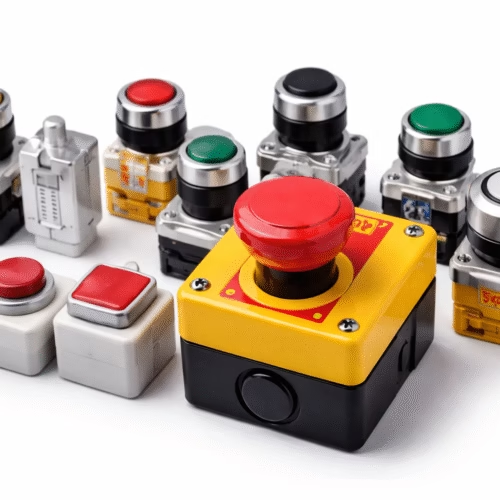
Industrial Push Buttons (7)
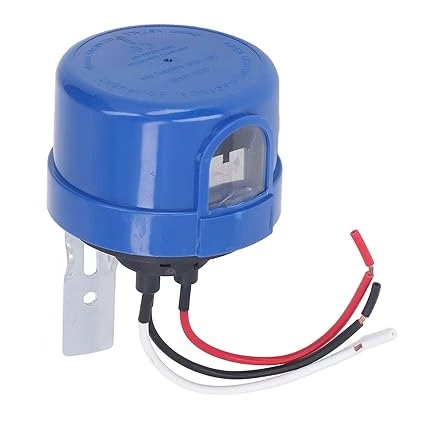
10A Street Light Photo Control Photoelectric Sensor Switch
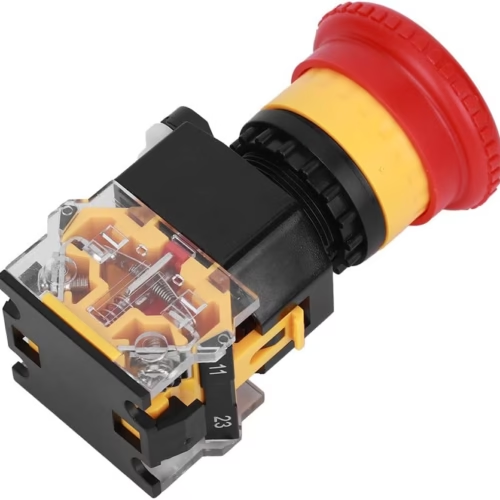
22mm Emergency Stop Push Switch,440V 10A
Original price was: ر.ع.4.900.ر.ع.4.300Current price is: ر.ع.4.300.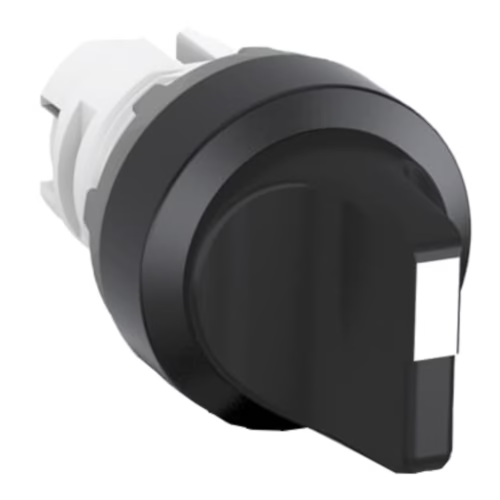
ABB Selector Switch | 22mm 3Position
Original price was: ر.ع.18.500.ر.ع.17.500Current price is: ر.ع.17.500.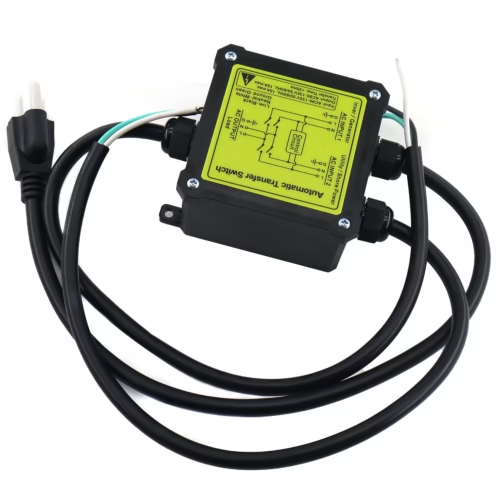
AC120V 15Amp | Automatic Transfer Switch

Aluminum Foot Switch | Pedal Momentary Tool
Original price was: ر.ع.13.500.ر.ع.12.500Current price is: ر.ع.12.500.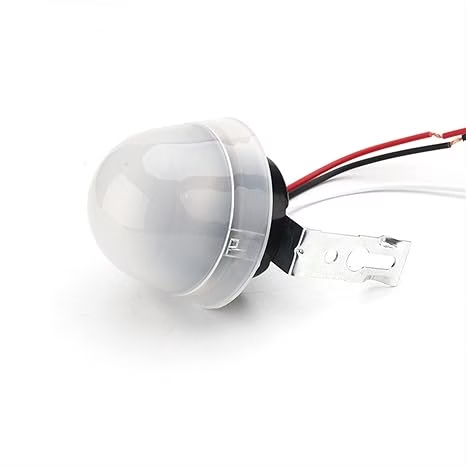
AS-20 Waterproof Sensitive Auto On/Off Photocell Street LED Light Sensor Switch
Original price was: ر.ع.13.300.ر.ع.12.900Current price is: ر.ع.12.900.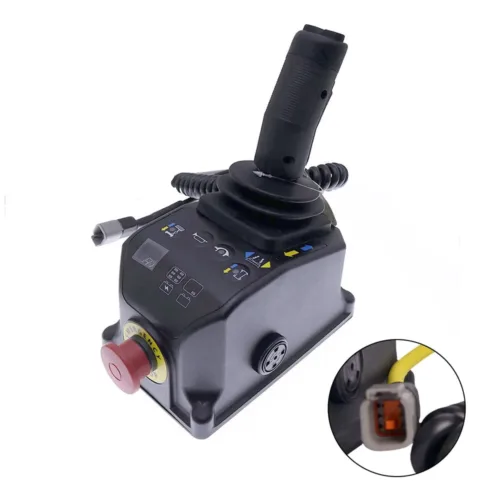
AWP Controls Genie 100840 Gen 5 Control Box

Battery cut off Switch
Original price was: ر.ع.158.000.ر.ع.147.000Current price is: ر.ع.147.000.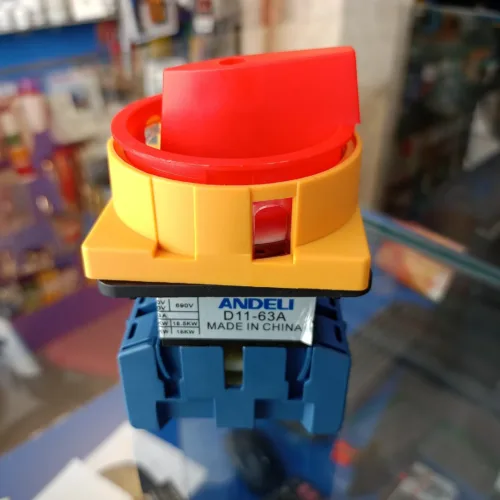
Change Over Motor Controller Switch | 63A D11-63A
Original price was: ر.ع.22.500.ر.ع.19.500Current price is: ر.ع.19.500.
Change Over Selector | Multi Rotary Switch
Original price was: ر.ع.11.500.ر.ع.10.800Current price is: ر.ع.10.800.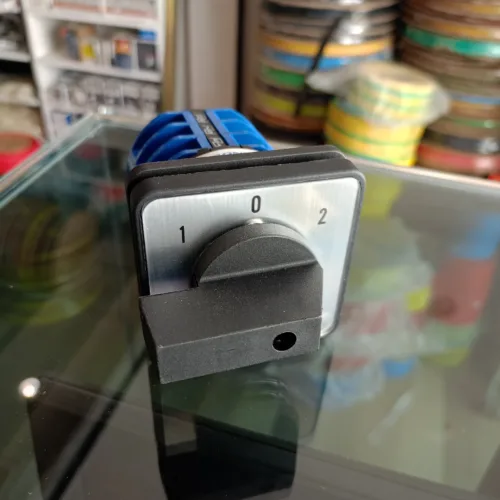
Change Over Switch | 32A 3P
Original price was: ر.ع.14.500.ر.ع.13.000Current price is: ر.ع.13.000.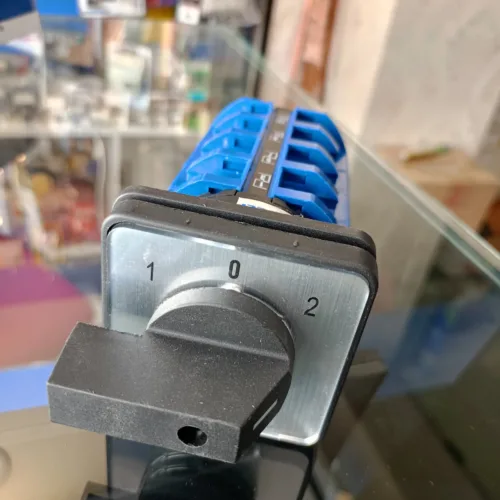
Change Over Switch | 64A 4P (Andeli)
Original price was: ر.ع.13.800.ر.ع.12.900Current price is: ر.ع.12.900.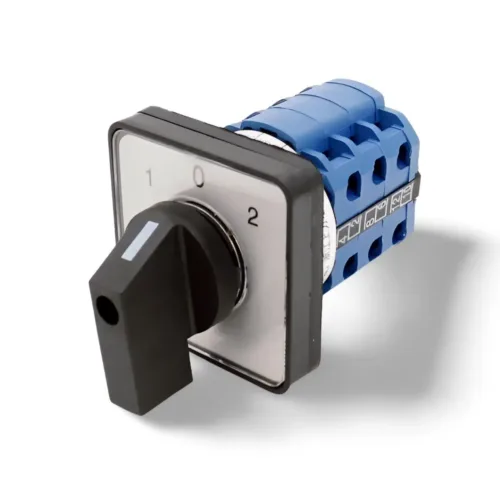
Changeover Rotary Switch | 20A (Andeli)
Original price was: ر.ع.9.800.ر.ع.8.600Current price is: ر.ع.8.600.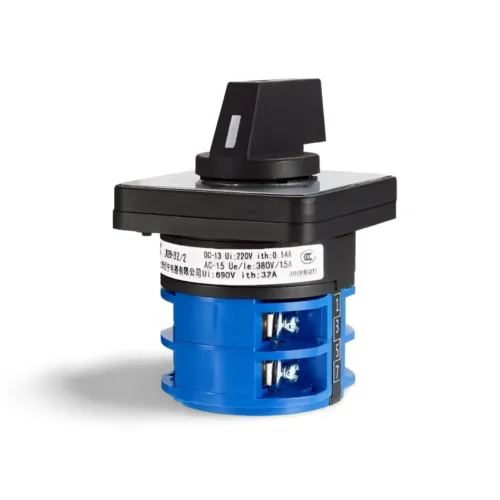
Changeover Selector Switch | 32A
ر.ع.13.500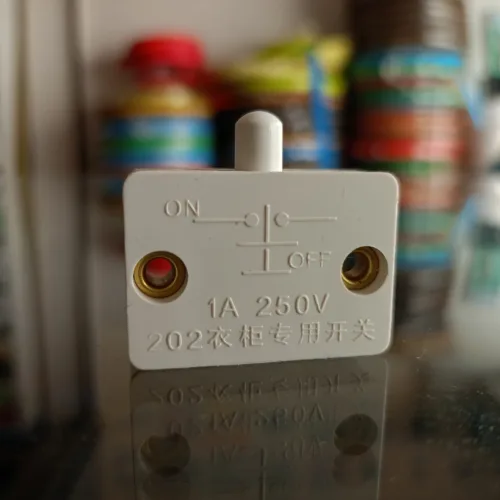
Door limit Switch 1A
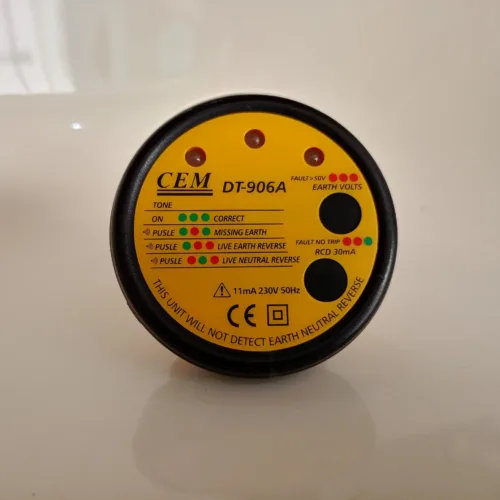
Earth Leakage Tester l DT-906A
Original price was: ر.ع.8.500.ر.ع.6.500Current price is: ر.ع.6.500.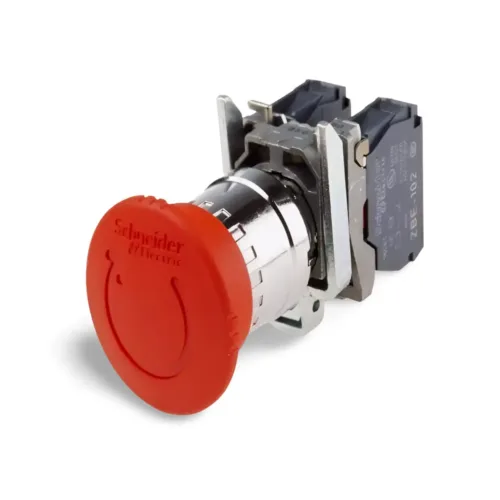
Emergency Push Button with NC | XB4BS8444 (Schneider)
Original price was: ر.ع.8.500.ر.ع.8.000Current price is: ر.ع.8.000.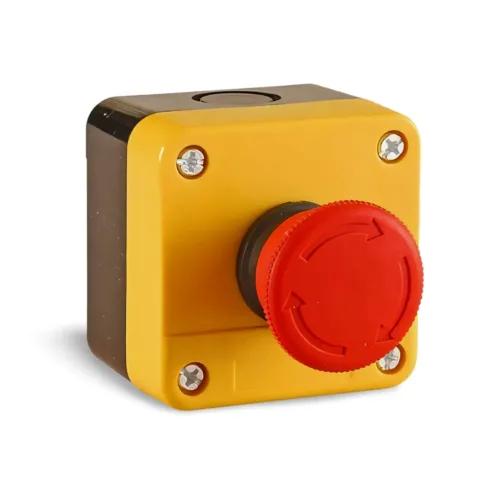
Emergency Stop Button Mushroom Head with Box
ر.ع.2.500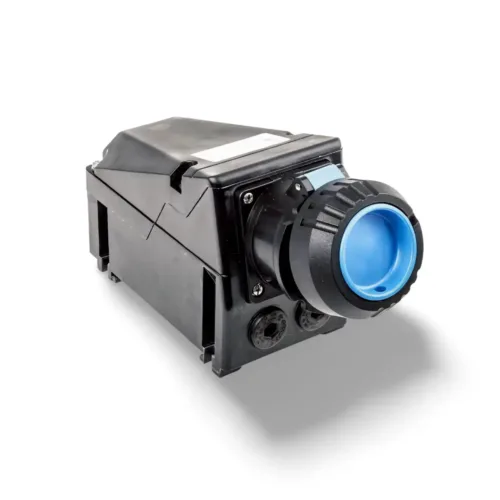
Explosion proof female Socket | EEXE 16A 250 V 3PIN
Original price was: ر.ع.140.000.ر.ع.132.000Current price is: ر.ع.132.000.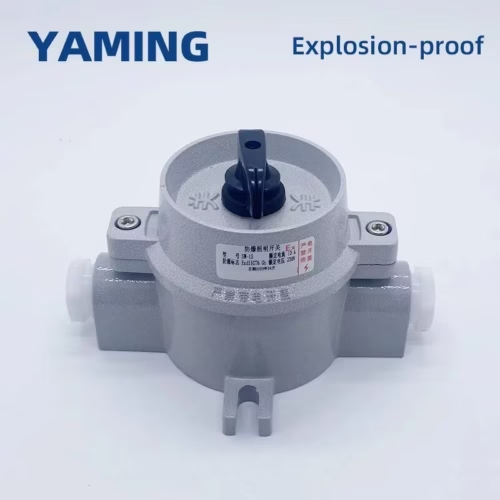
Explosion Proof Rotary Control Switch | SW10
Original price was: ر.ع.88.500.ر.ع.84.600Current price is: ر.ع.84.600.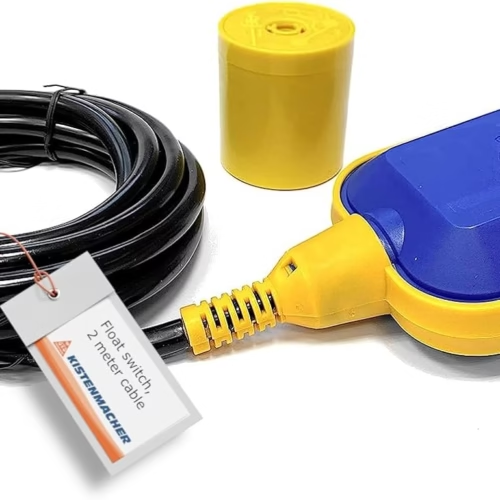
Float Switch | Automatic Water Level Control
Original price was: ر.ع.15.800.ر.ع.14.900Current price is: ر.ع.14.900.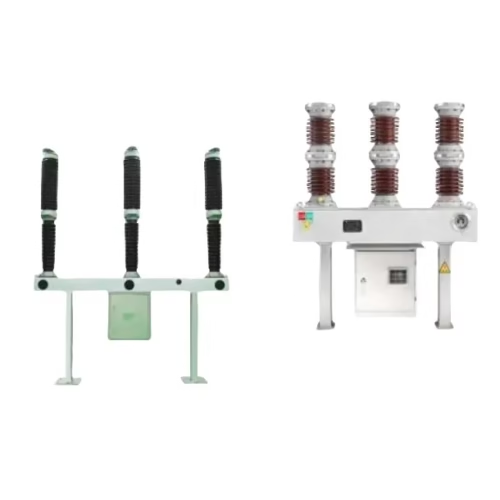
High Voltage Load Break Switch
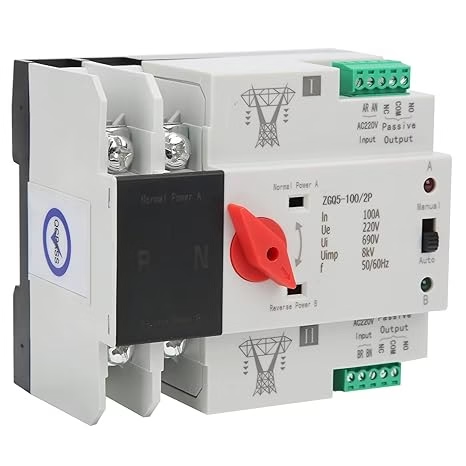
Home Automatic | Transfer Switch
Original price was: ر.ع.78.000.ر.ع.73.500Current price is: ر.ع.73.500.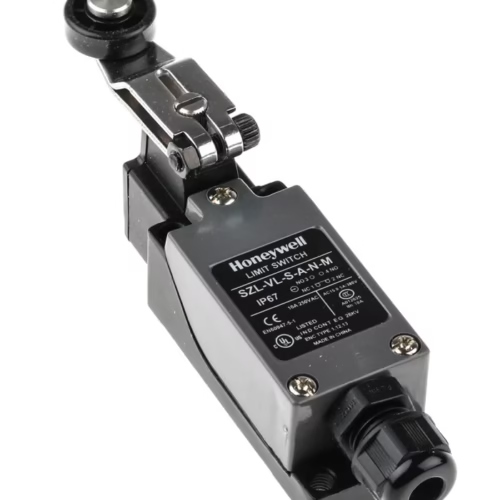
Honeywell VL Series | Lever Limit Switch SPDT IP67
Original price was: ر.ع.48.500.ر.ع.47.500Current price is: ر.ع.47.500.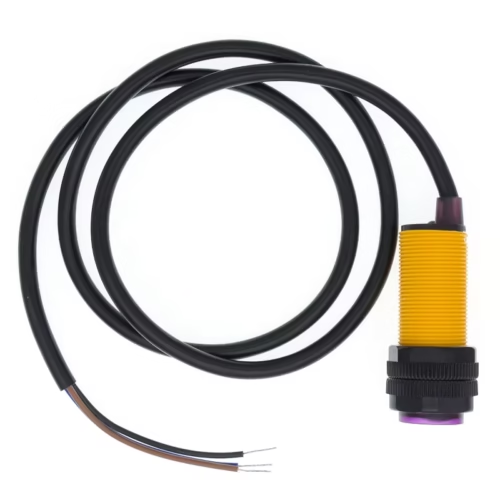
Infrared Switch | E18-D80NKI
Original price was: ر.ع.26.900.ر.ع.25.800Current price is: ر.ع.25.800.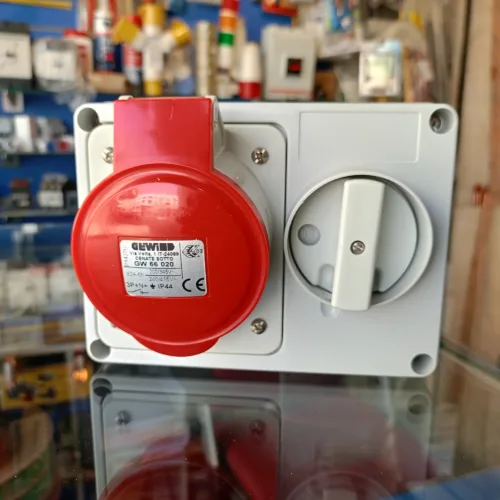
Interlocked Switch Socket | 5Pin 32A GW66020 (GEWiSS)
ر.ع.19.500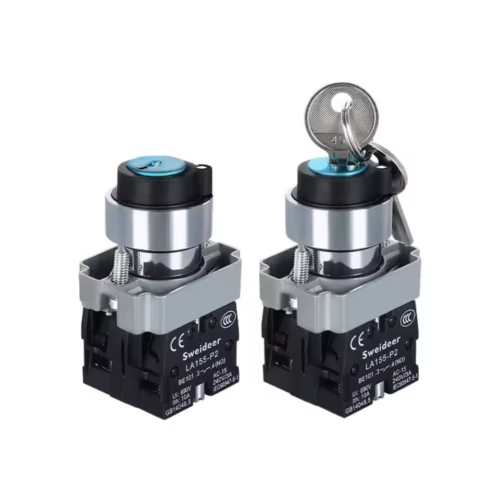
Key Switch – XB2 22mm | Selector Switch Schneider
Original price was: ر.ع.28.800.ر.ع.27.400Current price is: ر.ع.27.400.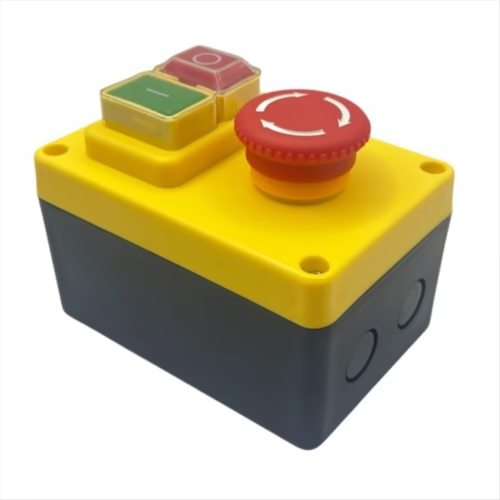
KJD17D Emergency Stop Push Button – 250V 16A
Original price was: ر.ع.38.500.ر.ع.36.900Current price is: ر.ع.36.900.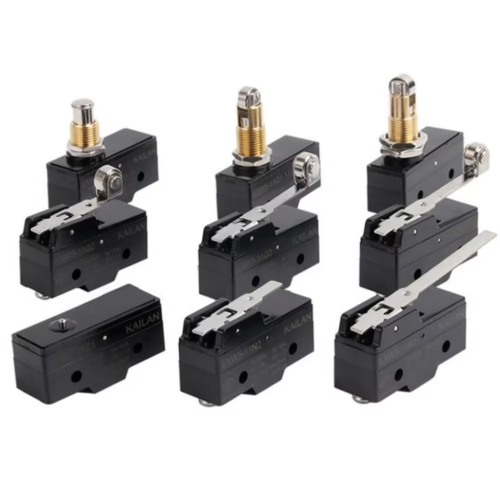
Limit Switch | AZ TZ-7310 7311 7312 7141
Original price was: ر.ع.14.500.ر.ع.12.600Current price is: ر.ع.12.600.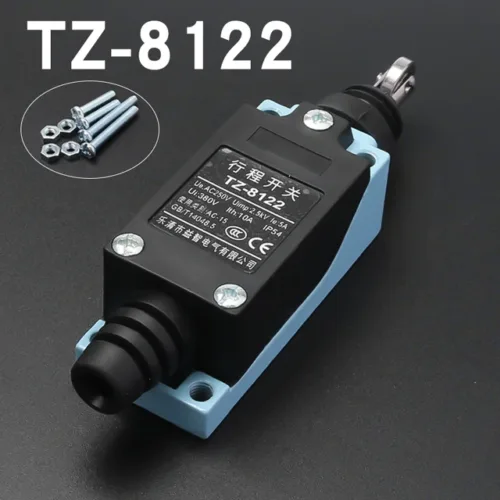
Limit Switch | TZ 8122
Original price was: ر.ع.5.500.ر.ع.5.200Current price is: ر.ع.5.200.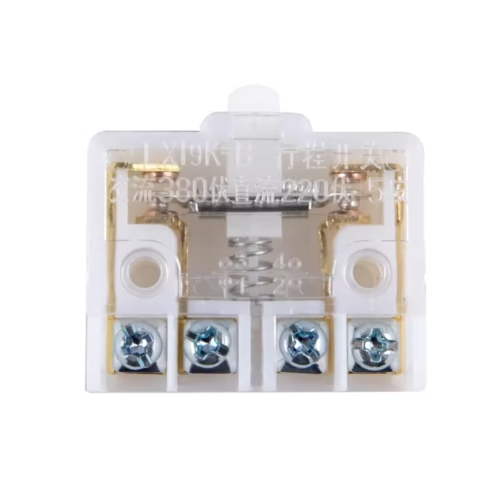
Limit Switch 5A | Micro Switch LX19K-B
Original price was: ر.ع.4.800.ر.ع.4.300Current price is: ر.ع.4.300.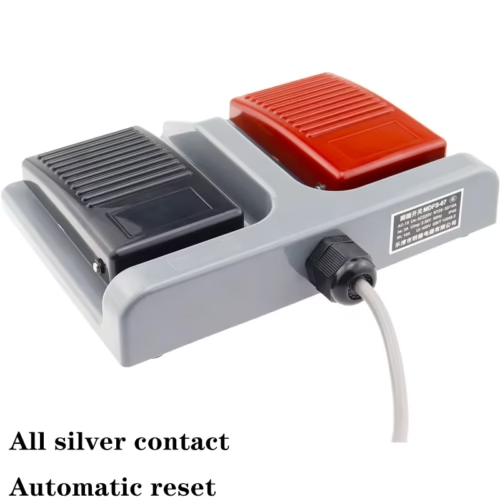
MDFS-67 Dual Foot Switch 2-Meter Cable 10A 220V AC
Original price was: ر.ع.24.600.ر.ع.23.900Current price is: ر.ع.23.900.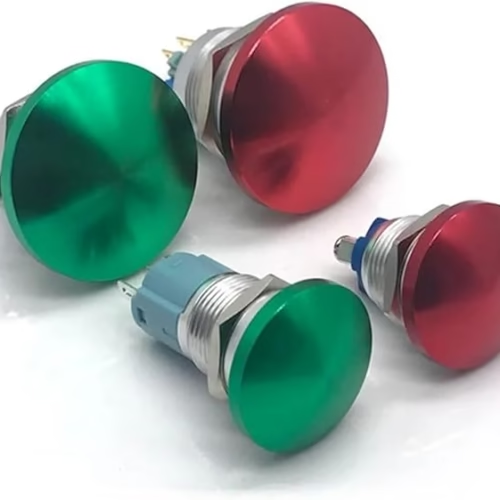
Momentary Push Button
Original price was: ر.ع.21.800.ر.ع.19.900Current price is: ر.ع.19.900.
Motor Speed Controller | JD1A-40
Price range: ر.ع.75.000 through ر.ع.120.000Select options This product has multiple variants. The options may be chosen on the product page
on – off red emergency stop button
Original price was: ر.ع.9.900.ر.ع.8.800Current price is: ر.ع.8.800.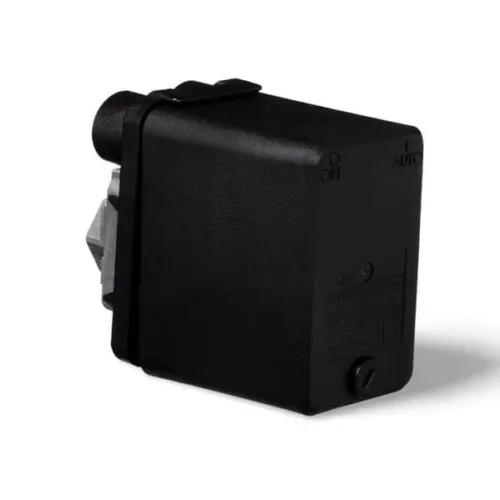
Pressure Switch | XMPA12C2131 (Schneider)
Original price was: ر.ع.28.000.ر.ع.26.000Current price is: ر.ع.26.000.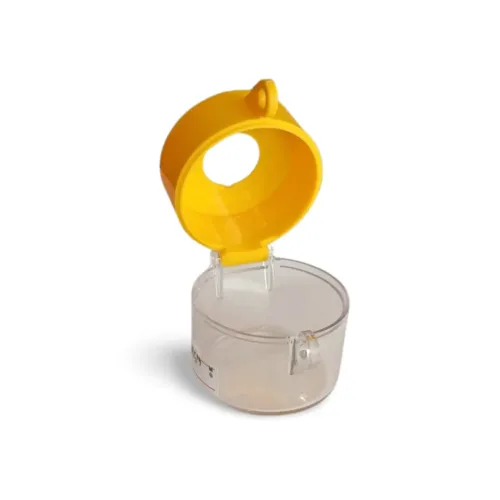
Push Button Protective Cover
Original price was: ر.ع.6.500.ر.ع.5.800Current price is: ر.ع.5.800.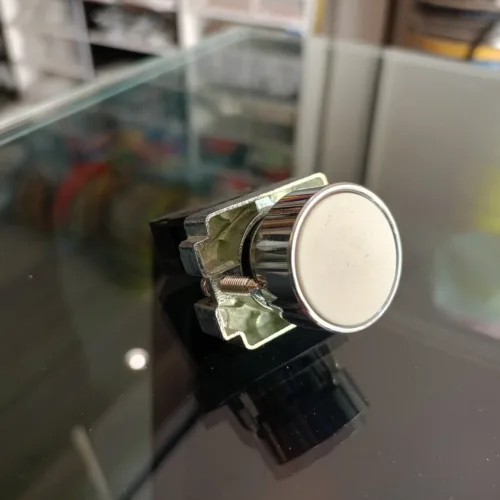
Push Button White Colour
Original price was: ر.ع.2.100.ر.ع.1.900Current price is: ر.ع.1.900.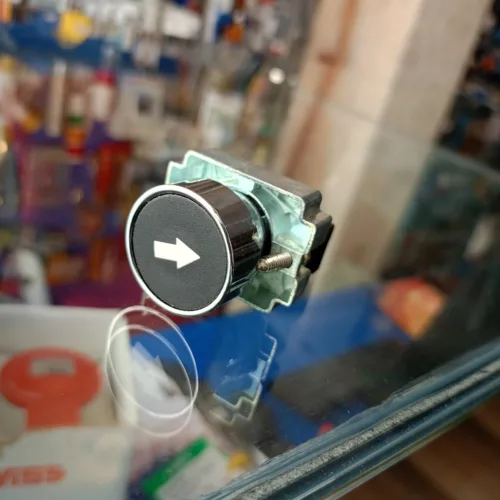
Push Button with Arrow Symbol
Original price was: ر.ع.1.800.ر.ع.1.600Current price is: ر.ع.1.600.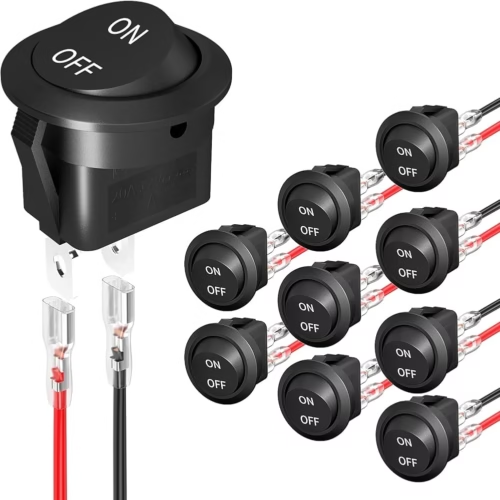
Round Rocker Switches 2 Pin
Original price was: ر.ع.1.800.ر.ع.1.600Current price is: ر.ع.1.600.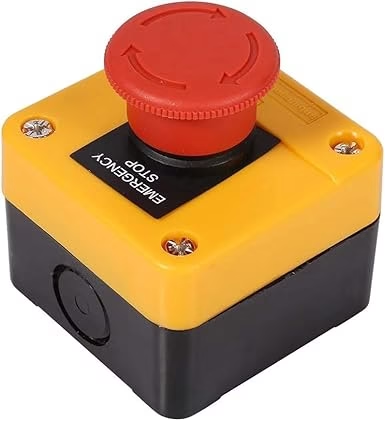
Royal Apex Emergency Stop Push Button Switch
Original price was: ر.ع.7.800.ر.ع.7.300Current price is: ر.ع.7.300.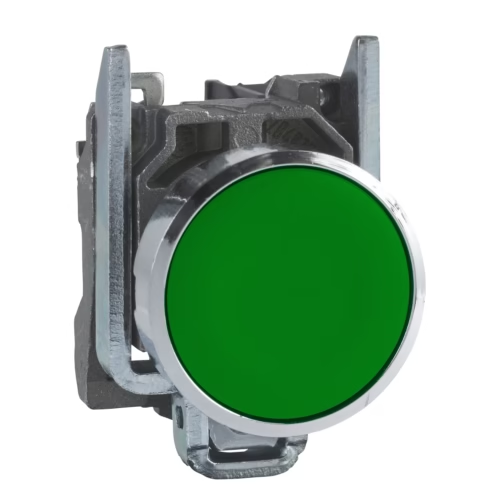
Schneider Push Button – 22mm Green XB4BA31
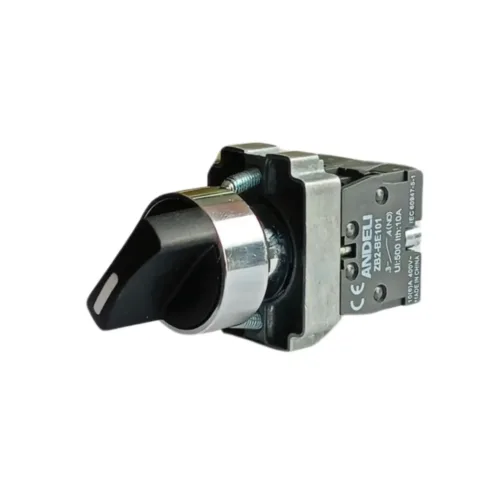
Selector Switch 3 Pos. | DB2-BD33 (Andeli)
Original price was: ر.ع.2.400.ر.ع.2.200Current price is: ر.ع.2.200.
Silver Contact Limit Switch
Original price was: ر.ع.10.500.ر.ع.9.200Current price is: ر.ع.9.200.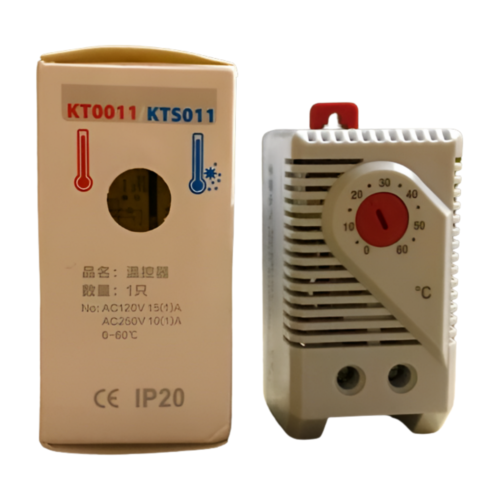
Temperature Controller | KTO011 KTS011
Original price was: ر.ع.4.500.ر.ع.3.500Current price is: ر.ع.3.500.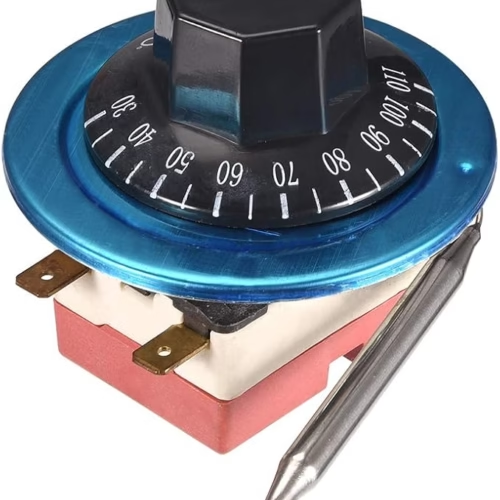
uxcell NC AC 250 16A 30-110C Temperature Control Switch
Original price was: ر.ع.65.000.ر.ع.63.000Current price is: ر.ع.63.000.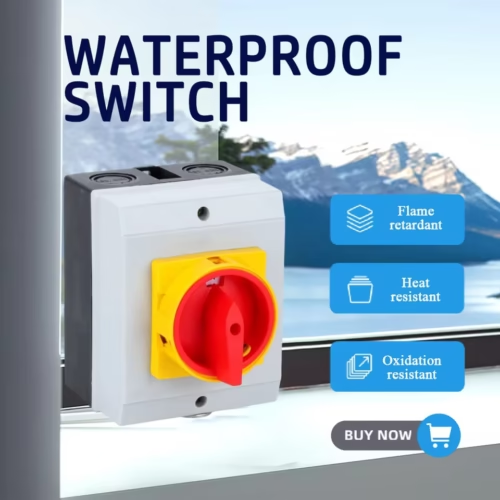
Waterproof Isolator Switch | 4 Pole IP65
Original price was: ر.ع.18.500.ر.ع.17.600Current price is: ر.ع.17.600.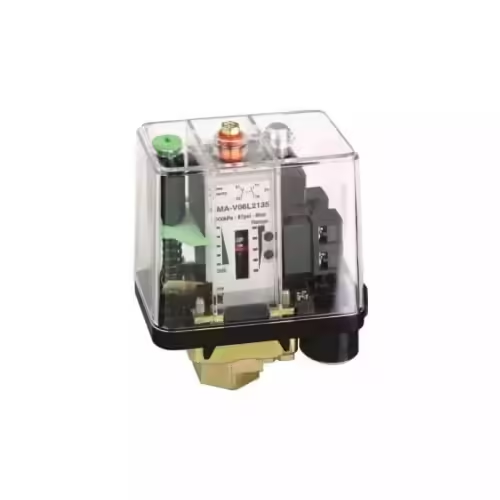
XMAV12L2135 Pressure Sensor / Pressure Switch
Original price was: ر.ع.85.000.ر.ع.78.000Current price is: ر.ع.78.000.