-
Informations +968 793 793 79
-
Sales Department +968 99 26 36 46
-
United Arab Emirates +971 526 324 552
Lugs & Terminals
Cable Lugs & Electrical Terminals for Secure Wire Connections
Cable lugs & electrical terminals create safe and reliable connections between wires and electrical equipment. They secure conductors firmly while maintaining stable electrical conductivity. As a result, they prevent overheating and reduce connection failures in electrical systems.
At UniGulfSupply, we supply dependable cable lugs and terminals for control panels, distribution boards, and industrial wiring across Oman & UAE. In addition, these components work closely with control panel components and power distribution & protection systems to ensure safe and efficient installations.
Products Included in This Category
This category typically includes:
- copper cable lugs
- tinned copper lugs
- aluminum lugs
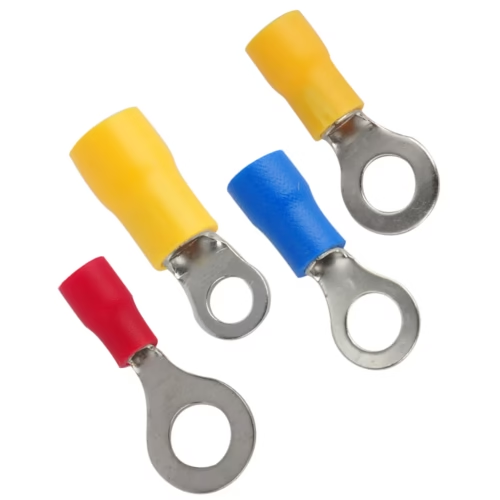
- ring terminals
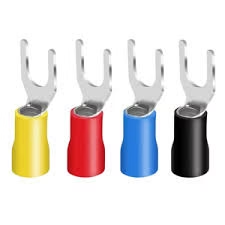
- fork terminals
- pin terminals
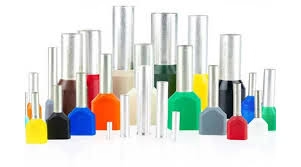
- bootlace terminals
- pre-insulated crimp terminals
Technicians commonly use these products with crimping tools & accessories and connect them directly to terminal blocks and circuit breakers.
Why Proper Cable Termination Is Important
Loose connections increase resistance and generate heat. Over time, this heat can damage insulation and lead to equipment failure. However, proper termination keeps connections tight and stable.
Using suitable lugs and terminals helps you:
- improve electrical conductivity
- prevent overheating
- reduce voltage drop
- strengthen mechanical connections
- simplify troubleshooting
Therefore, proper termination improves both safety and long-term reliability.
Typical Applications
Electricians and panel builders use these components in:
- electrical control panels
- distribution boards
- motor control centers
- generator panels
- HVAC systems
- machinery wiring
- building installations
Because every electrical system depends on secure wiring, these components remain essential in all installations.
How They Work
A typical installation follows these steps:
- strip the cable insulation
- insert the conductor into the terminal
- crimp using the correct tool
- fasten the terminal to equipment
As a result, the connection provides both strong mechanical grip and stable electrical flow.
How to Select the Right Terminal
When choosing the correct component, consider:
- conductor size (mm²)
- cable material (copper or aluminum)
- insulation type
- mounting hole size
- current rating
For example, large power cables require heavy-duty copper lugs, while control wiring uses insulated crimp terminals.
Related Electrical Components
These products are often used together with:
- control panel components
- distribution blocks & busbars
- industrial circuit breakers
- crimping tools & accessories
Frequently Asked Questions
What is the difference between a lug and a terminal?
A lug connects larger power cables, whereas a terminal connects smaller control wires.
Do I need a crimping tool?
Yes. A proper crimping tool ensures a secure and safe connection.
Can I solder instead of crimping?
Crimping is preferred because it provides stronger mechanical support and consistent performance.
Where are these components used?
They are used wherever wires connect to electrical equipment, panels, and distribution systems.
Industrial Cable Termination Solutions in Oman
UniGulfSupply supplies reliable cable lugs & electrical terminals for contractors, electricians, and panel builders across Oman & UAE, ensuring safe and efficient electrical connections.