Cable Glands for Electrical Enclosures & Industrial Applications
Cable glands secure and seal cables where they enter electrical enclosures, panels, and junction boxes. They provide strain relief, protect internal wiring, and maintain enclosure IP ratings. As a result, electrical systems remain safe, reliable, and protected in industrial and outdoor environments.
At UniGulfSupply, we supply a wide range of cable glands suitable for control panels, machinery, outdoor installations, and infrastructure projects across Oman & UAE. These components ensure safe cable entry while supporting long-term performance in demanding conditions.
Cable glands are mechanical devices that attach and secure the end of an electrical cable to an enclosure. They seal the cable entry point and prevent external elements from entering the system.
At the same time, they:
grip the cable firmly
reduce mechanical stress on connections
maintain environmental protection
Therefore, they are essential components in professional electrical installations.
Types of Cable Glands
Different applications require different gland types. This category includes:
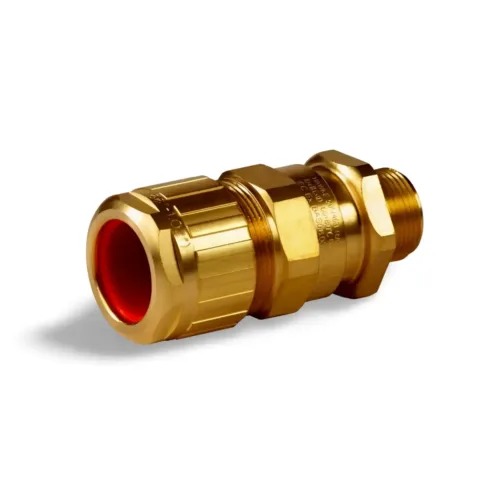
Brass cable glands – strong and durable for industrial use
Nickel-plated brass glands – corrosion-resistant for harsh environments
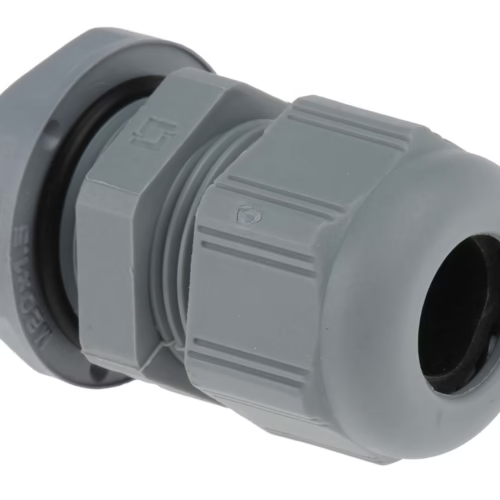
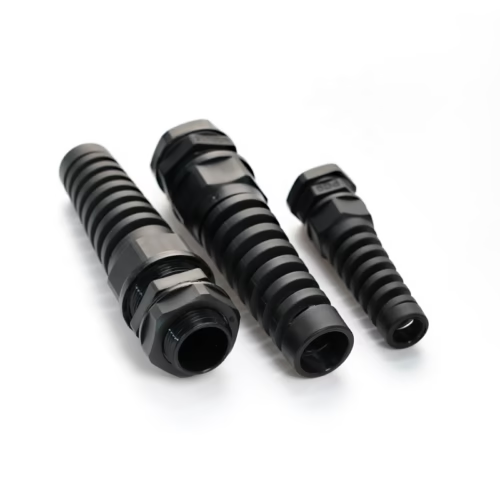
Nylon (polyamide) glands – lightweight and cost-effective
Metric and PG threaded glands – for different installation standards
IP68 waterproof glands – for outdoor and wash-down areas
Earth continuity glands – for grounding and safety
Each type supports secure cable entry while maintaining protection and reliability.
Why Cable Glands Are Important
Unsealed cable entry points can allow dust, moisture, and movement to damage internal wiring. Over time, this leads to faults, corrosion, and system failure.
Using proper cable glands helps you:
maintain enclosure IP protection
prevent cable pull-out and strain
protect insulation from abrasion
reduce moisture and dust ingress
improve installation safety
extend equipment lifespan
Consequently, cable glands are critical for both safety and performance.
How Cable Glands Work
Installers insert the cable through the gland body and tighten the compression nut. The internal sealing ring then grips the cable sheath securely.
At the same time:
the gland locks into the enclosure wall
strain on internal terminals is reduced
the entry point becomes sealed
Because of this compression sealing, the enclosure maintains its dust- and water-resistant rating.
Typical Applications
Cable glands are widely used in:
electrical control panels
distribution boards
outdoor junction boxes
generator panels
HVAC systems
pump control panels
industrial machinery
Whenever a cable enters an enclosure, a cable gland is required.
Selecting the Right Cable Gland
Choosing the correct gland depends on several factors:
cable outer diameter
installation environment (indoor/outdoor)
required IP rating
material (nylon or brass)
thread type (metric or PG)
For example, outdoor installations require IP68-rated glands, while indoor panels may use standard nylon glands.
Cable Glands vs Cable Entry Systems
Cable glands are designed for single cable entry points, providing sealing and strain relief.