
-
Informations +968 793 793 79
-
Sales Department +968 99 26 36 46
-
United Arab Emirates +971 526 324 552
Contactors
Industrial Contactors for Motor Control & Power Switching
Industrial contactors control high-power electrical circuits in industrial systems. In simple terms, they allow low-power signals to switch heavy electrical loads. As a result, they play a central role in motor control and automation.
In control panels, engineers use contactors to operate motors, lighting systems, heating units, and other power-intensive equipment. However, unlike control relays, which handle lighter switching tasks, contactors are built for high-current applications. Therefore, they feature robust contacts and arc suppression mechanisms.
At UniGulfSupply, we supply reliable industrial contactors for motor control across Oman & UAE. In addition, our range delivers consistent switching performance and long electrical life. Moreover, compact designs help optimize panel space. For this reason, engineers depend on contactors in structured power distribution systems.
These devices are commonly paired with Overload Relays, Auxiliary Relays, and Timer Relays. Consequently, they form complete and reliable motor control assemblies.
Types of Contactors Available
This category typically includes:
- AC contactors
- DC contactors
- mini contactors
- reversing contactors
- capacitor switching contactors
Each type serves a specific purpose. For example, AC contactors suit most motor control applications. Similarly, mini contactors fit compact panels. In addition, reversing contactors allow safe control of motor direction.
Why Contactors Are Important
Industrial motors draw high inrush current during startup. Without proper switching devices, this can damage control components. As a result, system reliability may decrease.
Using high-quality contactors helps you:
- control high-power loads safely
- manage motor start and stop operations
- reduce arc-related wear
- improve operational safety
- support automation systems
Therefore, contactors remain essential in industrial electrical installations.
Typical Applications
Technicians install contactors in:
- motor starter panels
- pump control systems
- HVAC installations
- compressor systems
- industrial lighting systems
Because these applications involve frequent switching of heavy loads, contactors provide durable and reliable performance. In addition, PLC systems often control them remotely for automated operation.
Selecting the Right Contactor
When selecting a contactor, consider:
- rated operational current
- coil voltage
- number of poles
- application type (motor, lighting, capacitor)
- compatibility with overload relays
For instance, motor-rated contactors handle inductive loads effectively. On the other hand, capacitor switching contactors manage high inrush currents. Additionally, selecting the correct coil voltage ensures stable control.
FAQs
What does a contactor do?
It switches high-power electrical circuits, especially in motor control applications.
How is a contactor different from a relay?
A relay handles low-current circuits, while a contactor is designed for higher loads and frequent switching.
Are contactors used with overload relays?
Yes. Overload relays protect the motor, while the contactor manages switching.
Can a PLC control a contactor?
Yes. A PLC energizes the contactor coil to operate the main power circuit.

ABB Contactor AF370-30-11-13 | 1SFL607002R1311
Original price was: ر.ع.890.000.ر.ع.870.000Current price is: ر.ع.870.000.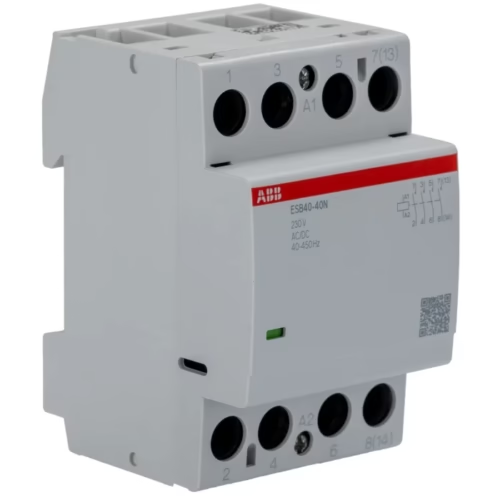
ABB ESB40-40N-06 ESB Contactor 40 A, 2.77 kW, 4NO
Original price was: ر.ع.88.000.ر.ع.83.000Current price is: ر.ع.83.000.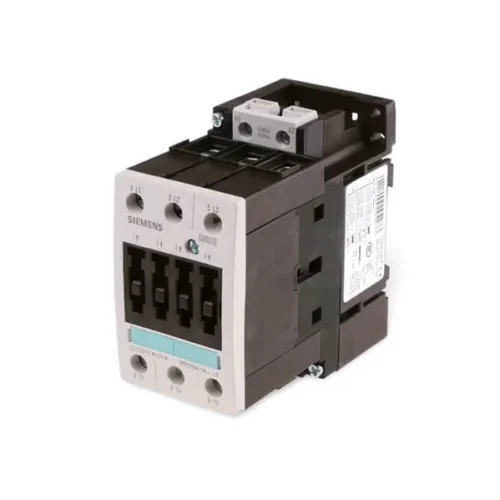
Contactor | 3RT1034-1AP00 (SIEMENS)
Original price was: ر.ع.68.000.ر.ع.63.000Current price is: ر.ع.63.000.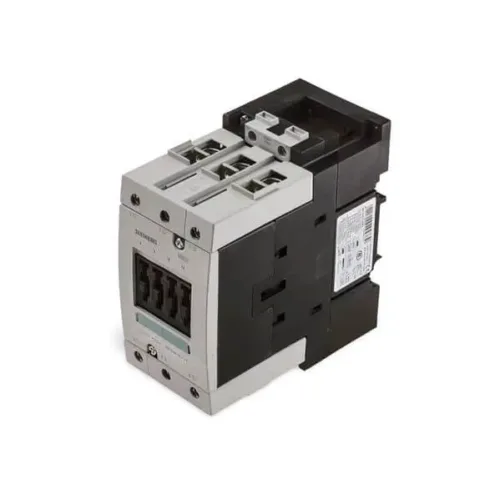
Contactor | 3RT1044-1AP00 (SIEMENS)
Original price was: ر.ع.83.000.ر.ع.78.500Current price is: ر.ع.78.500.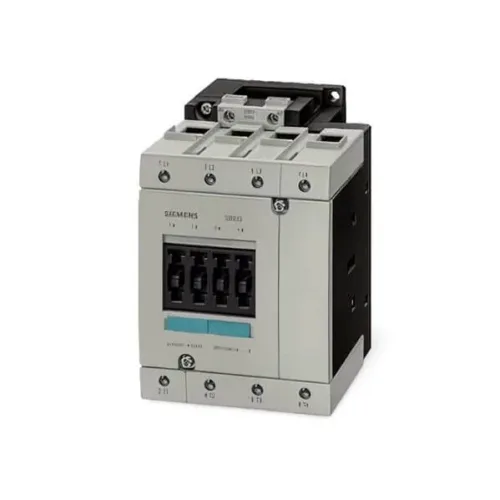
Contactor | 3RT1346-1AP00 (SIEMENS)
Original price was: ر.ع.126.000.ر.ع.123.000Current price is: ر.ع.123.000.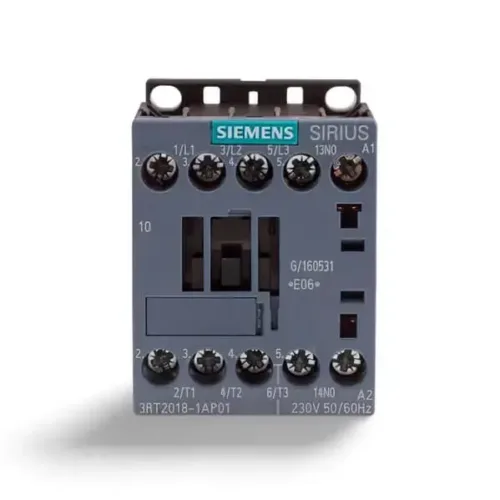
Contactor | 3RT2018-AP01 (SIEMENS)
Original price was: ر.ع.33.000.ر.ع.29.800Current price is: ر.ع.29.800.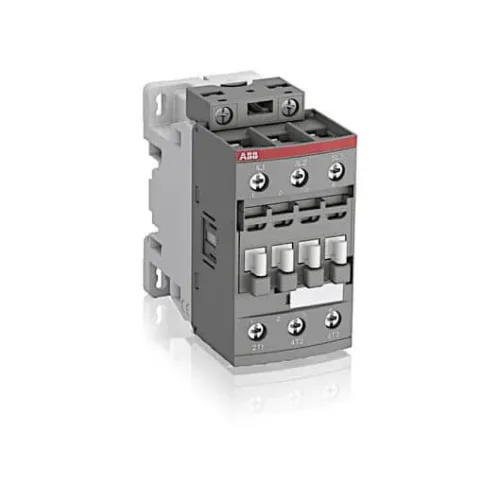
Contactor | AF26-30-00-14 (ABB)
Original price was: ر.ع.48.000.ر.ع.44.000Current price is: ر.ع.44.000.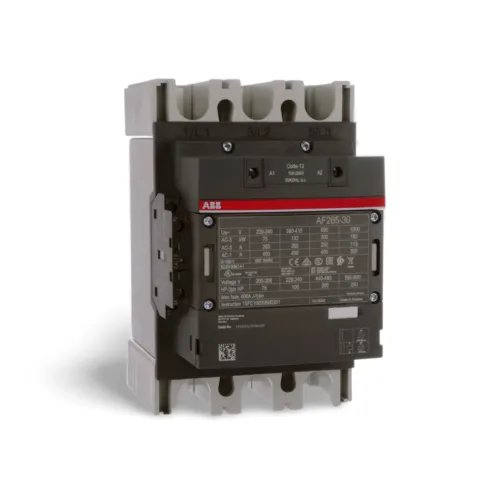
Contactor | AF265-30-11-13 (ABB)
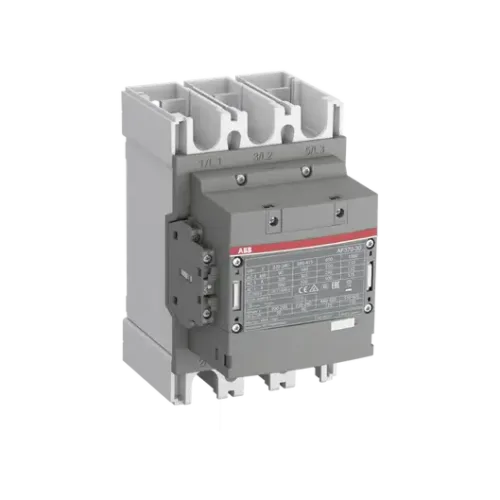
Contactor | AF370-30-11-12 (ABB)
Original price was: ر.ع.665.000.ر.ع.646.660Current price is: ر.ع.646.660.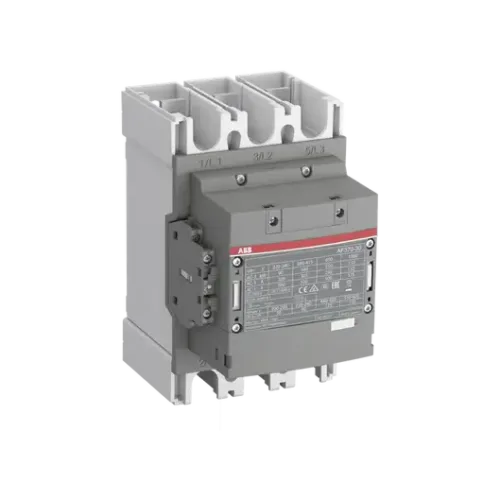
Contactor | AF370-30-11-13 (ABB)
Original price was: ر.ع.665.000.ر.ع.646.000Current price is: ر.ع.646.000.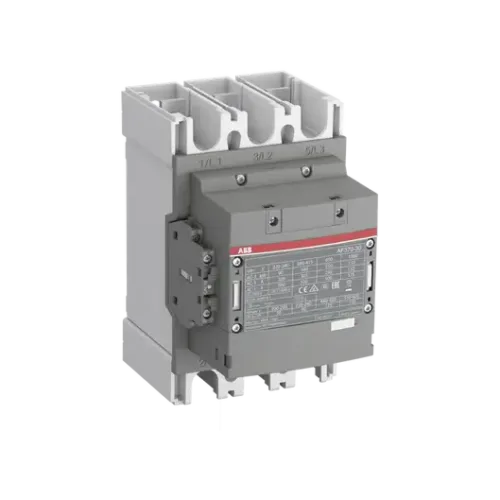
Contactor | AF370-30-11-14 (ABB)
Original price was: ر.ع.665.000.ر.ع.646.000Current price is: ر.ع.646.000.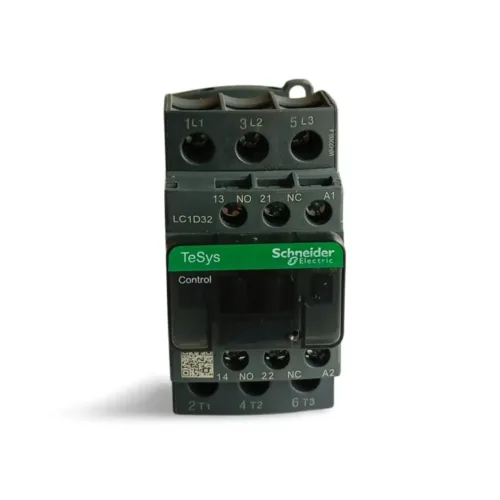
Contactor | LC1D32M7C (Tesys – Schneider)
Original price was: ر.ع.19.500.ر.ع.18.900Current price is: ر.ع.18.900.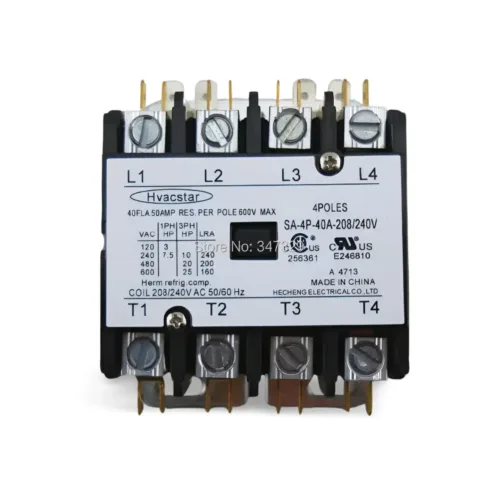
Contactor | SA-4P-40A-208/240V (Hvacstar)
ر.ع.12.500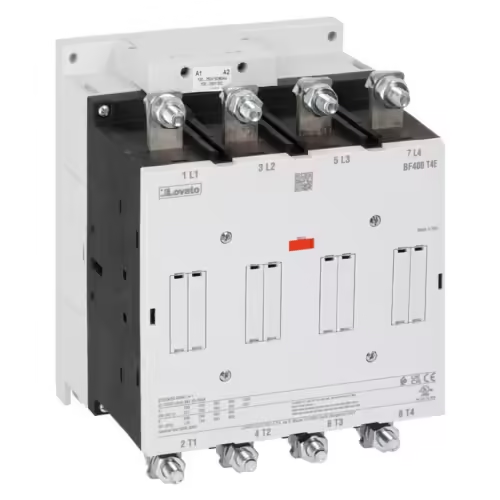
Lovato Contactor | BF330T4E230 AC/DC COIL
Original price was: ر.ع.1,550.000.ر.ع.1,480.000Current price is: ر.ع.1,480.000.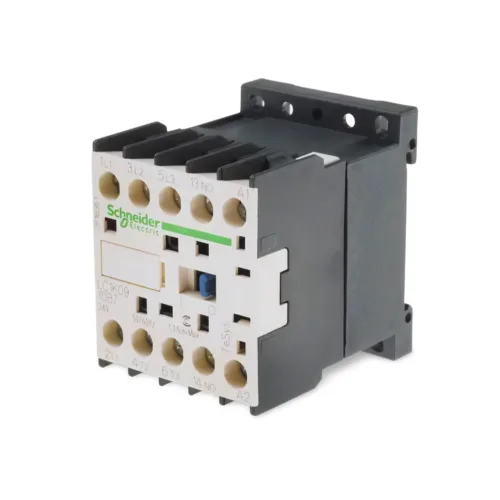
Mini Contactor | LC1K09 10B7 (Schneider)
ر.ع.13.200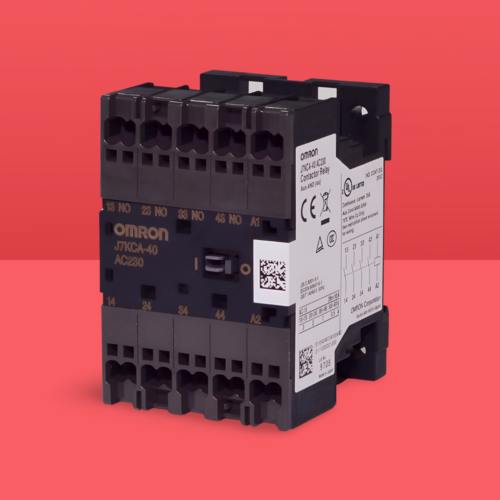
Relay Contactor Omron | J7KCA-22 AC400
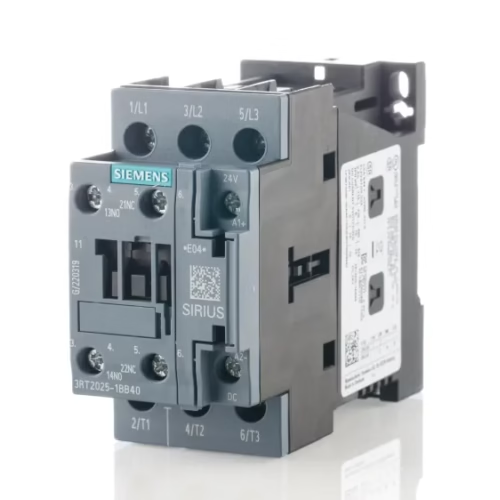
Siemens 3RT2025-1BB40 Contactor 24VDC – 7.5kW, 400V
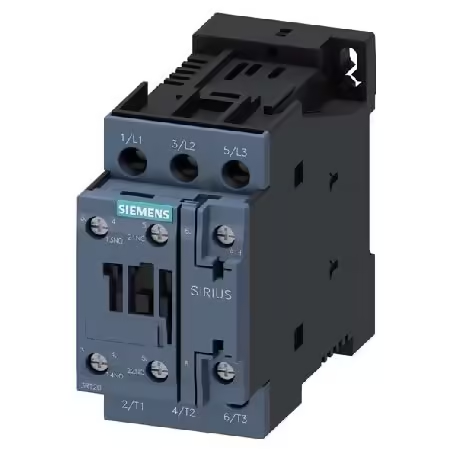
SIEMENS CONTACTOR | 3RT2025-1NB30
Original price was: ر.ع.44.500.ر.ع.42.800Current price is: ر.ع.42.800.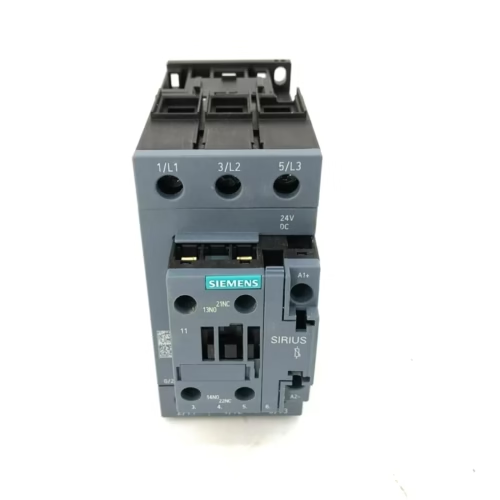
Siemens Coupling Contactor | 3RT2035
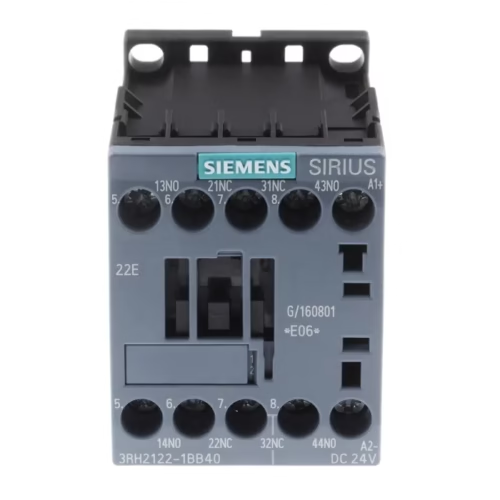
Siemens SIRIUS 3RH2 | Contactor 24VDC 4-Pole
Original price was: ر.ع.22.200.ر.ع.19.800Current price is: ر.ع.19.800.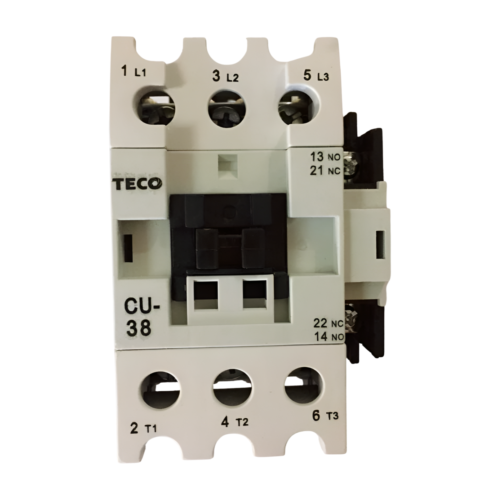
TECO Contactor CU-38 | 24V 110V 220V 380V
Original price was: ر.ع.45.000.ر.ع.42.500Current price is: ر.ع.42.500.