-
Informations +968 793 793 79
-
Sales Department +968 99 26 36 46
-
United Arab Emirates +971 526 324 552
Pipe & Conduit Tools
Pipe & Conduit Tools for Electrical Installation & Maintenance
Pipe and conduit tools are essential for cutting, bending, threading, and installing electrical conduits in industrial and commercial applications. These tools ensure precise routing and secure protection of electrical wiring systems.
At UniGulfSupply, we supply durable and high-performance tooling solutions designed for efficiency and long-term use. In practice, these tools are often used alongside Cable Installation Tools and Wire Stripping Tools to complete electrical installation tasks safely and accurately.
Types of Pipe & Conduit Tools
A wide range of tools is available to support different installation requirements:
- Conduit Benders – Used to create accurate bends in electrical conduits
- Pipe Cutters – Provide clean and precise cutting of metal or PVC pipes
- Threading Tools – Enable secure connections for threaded conduits
- Reamers & Deburring Tools – Smooth edges after cutting
- Conduit Pulling Tools – Assist in routing cables through conduits
- Hydraulic Bending Tools – Designed for heavy-duty industrial applications
Why Pipe & Conduit Tools Are Important
These tools ensure proper conduit installation and system reliability. First, they help achieve precise alignment and routing. Additionally, they reduce the risk of cable damage during installation. Moreover, they improve efficiency and safety in electrical work.
When used with Electrical Testing Instruments and Installation Accessories, they support a complete and professional workflow.
Applications
These tools are widely used in:
- Electrical installations in buildings and infrastructure
- Industrial plants and manufacturing facilities
- Power distribution and utility projects
- Oil & gas and heavy industries
- Maintenance and repair operations
- HVAC and mechanical installations
Selection Guide
When selecting the right tools, consider:
- Material Type – PVC, steel, or aluminum conduits
- Tool Capacity – Pipe diameter and thickness range
- Application Type – Cutting, bending, threading, or pulling
- Portability – Hand tools vs hydraulic or powered tools
- Durability – Build quality for industrial environments
- Compatibility – Use with Electrical Tools and accessories
Choosing the right tools ensures efficient installation and long-term performance.
Industry Use
In construction and electrical contracting, these tools enable accurate conduit installation. In industrial settings, they support cable protection systems. Meanwhile, in maintenance operations, they help ensure safe and efficient repairs.
Product Bridge
Our range includes:
- Manual and hydraulic conduit benders
- Precision pipe cutters
- Threading and reaming tools
- Conduit pulling and installation tools
These products are commonly used with Cable Pulling Tools and Electrical Hand Tools to complete installation projects efficiently.
FAQ
Q1: What are pipe and conduit tools used for?
They are used to cut, bend, and install conduits for electrical wiring systems.
Q2: Are these tools suitable for industrial use?
Yes, many tools are designed for heavy-duty industrial applications.
Q3: Can one tool perform multiple functions?
Some tools offer multi-function capabilities, but specialized tools provide better precision.
Q4: Are hydraulic tools necessary?
Hydraulic tools are recommended for large-diameter or heavy-duty applications.
Q5: Do these tools require maintenance?
Basic maintenance ensures longer life and consistent performance.
Industrial Supply Section
UniGulfSupply provides a wide range of electrical installation tools across Oman and the UAE. In addition to pipe and conduit tools, we offer Cable Installation Tools, Wire Stripping Tools, and other Electrical Tools to support complete project requirements.
Pipe and conduit tools are fundamental to safe and efficient electrical installations. As infrastructure and industrial projects continue to grow, the demand for reliable and precise tooling solutions remains essential.
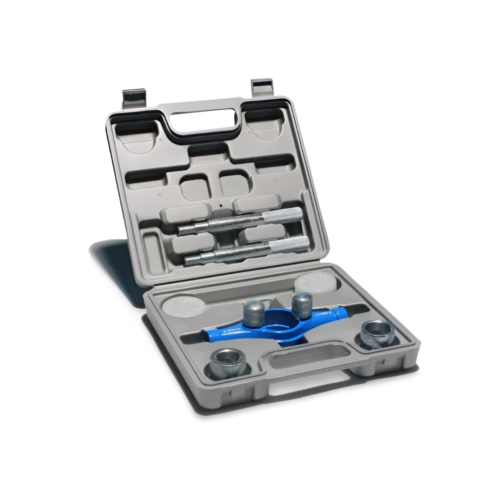
Pipe Threading Machine with Dies GI/Conduit
Original price was: ر.ع.14.500.ر.ع.12.500Current price is: ر.ع.12.500.