-
Informations +968 793 793 79
-
Sales Department +968 99 26 36 46
-
United Arab Emirates +971 526 324 552
Test & Measuring Instruments
Electrical Test and Measuring Instruments for Industrial Testing & Maintenance
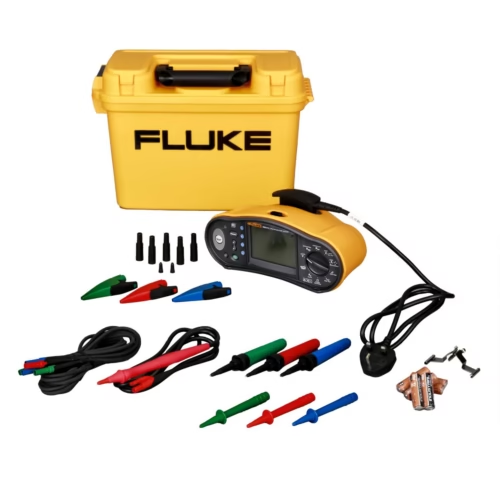
Electrical test and measuring instruments help technicians verify performance, detect faults, and ensure safe system operation. Because modern electrical systems demand accuracy, professionals rely on these tools during installation, commissioning, and maintenance. As a result, they reduce downtime, prevent equipment damage, and improve overall safety.
At UniGulfSupply, we supply reliable electrical test and measuring instruments for contractors, panel builders, and industrial maintenance teams across Oman & UAE. These tools support troubleshooting, preventive maintenance, and system verification in both commercial and industrial environments.
Technicians frequently use these instruments alongside Control Panels, Switchgear, and Electrical Panels. As a result, proper testing confirms correct wiring, stable voltage levels, insulation integrity, and load performance.
Products Included in This Category
This category typically includes:
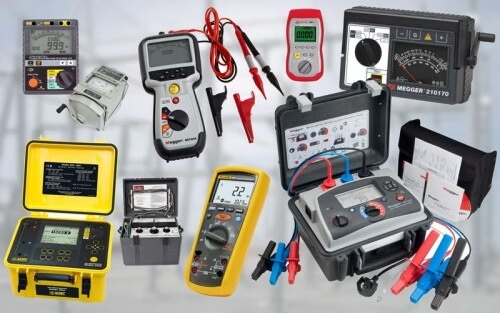
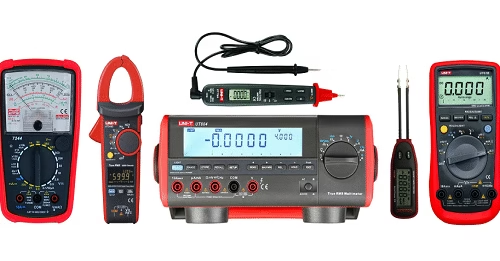
- digital multimeters
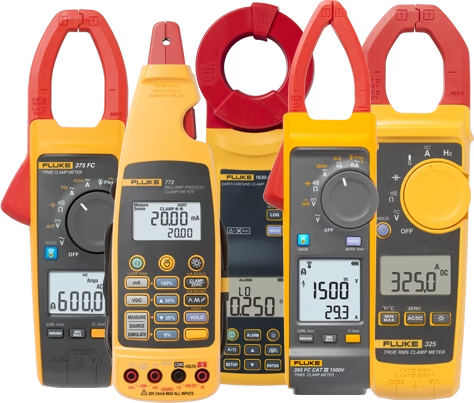
- digital clamp meters
- flexible clamp meters
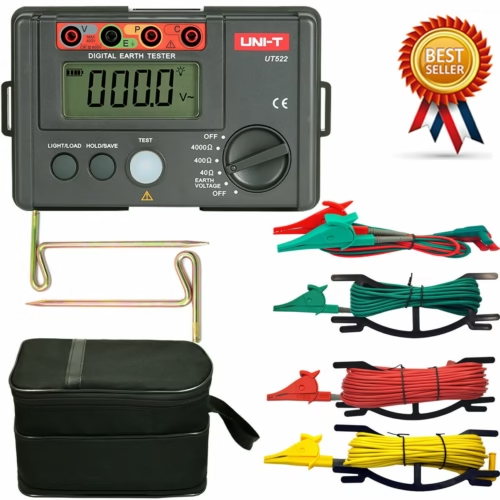
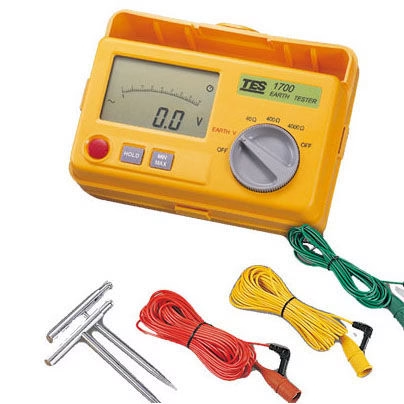
- insulation resistance testers (megger testers)
- scope meters
- kilowatt power meters
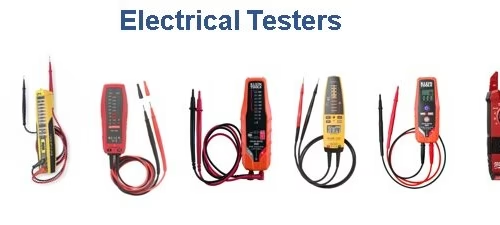
- voltage and continuity testers
- potentiometers
Each instrument serves a specific function. For instance, multimeters measure voltage and resistance, while clamp meters measure current without disconnecting cables. Meanwhile, insulation testers evaluate cable condition before system energization.
Why Electrical Testing Is Important
Electrical faults often remain hidden until equipment fails. However, proper testing helps identify issues early and prevents serious damage.
Using electrical test and measuring instruments helps you:
- verify voltage and current levels
- detect insulation leakage
- measure power consumption
- confirm circuit continuity
- ensure compliance with safety standards
- reduce maintenance downtime
Consequently, technicians can commission systems with confidence and maintain long-term reliability.
Typical Applications
Electrical testing equipment is widely used in:
- electrical control panels
- distribution boards
- motor control centers
- generators and pumps
- HVAC systems
- factory machinery
- automation systems
- infrastructure projects
Because every installation requires verification, these tools remain essential for both new projects and ongoing maintenance.
How These Instruments Are Used
Technicians typically follow a structured testing process:
- inspect wiring connections
- measure voltage and continuity
- check insulation resistance
- verify current load
- confirm operational stability
As a result, this approach ensures safe energization and consistent system performance.
Selecting the Right Test Instrument
When choosing electrical test and measuring instruments, consider:
- measurement type (voltage, current, resistance, power)
- required current range
- insulation testing needs
- AC or DC application
- portability and safety rating
For example, clamp meters work best for live current measurement, whereas insulation testers check cable integrity before commissioning.
FAQs
What are electrical test and measuring instruments used for?
They measure electrical parameters, detect faults, and verify system safety during installation and maintenance.
What is the difference between a multimeter and a clamp meter?
A multimeter measures voltage, resistance, and continuity using probes, whereas a clamp meter measures current without disconnecting the conductor.
Why is insulation testing necessary?
It identifies cable deterioration and prevents leakage, short circuits, and potential failures.
Are test instruments required after installation?
Yes. Technicians use them during commissioning and routine inspections to maintain system safety and performance.
Reliable Electrical Testing for Industrial Systems
Accurate testing plays a critical role in safe and efficient electrical installations. Therefore, professionals rely on electrical test and measuring instruments to verify performance, prevent faults, and maintain system reliability. When combined with proper installation practices and regular inspections, these tools ensure long-term operational safety across industrial and commercial environments.