
-
Informations +968 793 793 79
-
Sales Department +968 99 26 36 46
-
United Arab Emirates +971 526 324 552
Contactors & Motor Control
Industrial Contactors for Motor Control & Power Switching
Industrial contactors are electrically operated switching devices designed to control high-power electrical loads. They safely switch motors, compressors, heaters, and other heavy equipment in industrial and commercial installations.
At UniGulfSupply, we supply reliable industrial contactors suitable for control panels, machinery, and electrical distribution systems across Oman & UAE. These devices allow automation systems to operate large electrical equipment safely and efficiently.
Contactors receive control signals from relays, push buttons, timers, or PLC controllers. Once energized, the contactor closes its main power contacts and supplies power to the connected load.
Types of Contactors Available
This category typically includes:
AC contactors
DC contactors
Mini contactors
Power contactors
Motor contactors
Auxiliary contact blocks
Reversing contactors
Capacitor switching contactors
Contactors operate together with Industrial Relays and Industrial Push Buttons.
They are commonly paired with Overload Relays and installed inside Control Panel Components.
Why Contactors Are Important
High-power equipment must not be switched manually. Contactors allow safe electrical control using low-voltage signals.
They help systems to:
Start and stop motors remotely
Control pumps and compressors
Automate industrial processes
Protect operators from high voltage
Enable automatic machine operation
As a result, machinery operates safely and efficiently. Additionally, contactors reduce electrical hazards and improve equipment lifespan.
Typical Applications
Industrial contactors are widely used in:
Motor starter panels
Pump control panels
HVAC systems
Air compressor systems
Conveyor machines
Refrigeration units
Industrial heating systems
Generator control panels
Because motors require frequent switching, contactors are essential in automation systems.
How a Contactor Works
Basic operation:
Push button, sensor, or PLC sends signal
Relay or controller energizes contactor coil
Main contacts close
Electrical load receives power
Overload relay monitors motor current
This allows safe motor control using low-power signals.
Choosing the Correct Contactor
Selection depends on:
Motor power rating (kW/HP)
Coil voltage
Current rating (Ampere)
Number of poles
Auxiliary contacts requirement
Duty cycle
For motor protection, a contactor is usually used with an overload relay.
FAQs
What is the difference between a relay and a contactor?
A relay switches control circuits. A contactor switches high-power loads such as motors.
Can a contactor run a motor directly?
Yes, but it must be paired with an overload relay to protect the motor.
What are auxiliary contacts?
They provide feedback signals to PLCs or indicator lights.
Where are contactors installed?
Inside electrical control panels or motor starter enclosures.
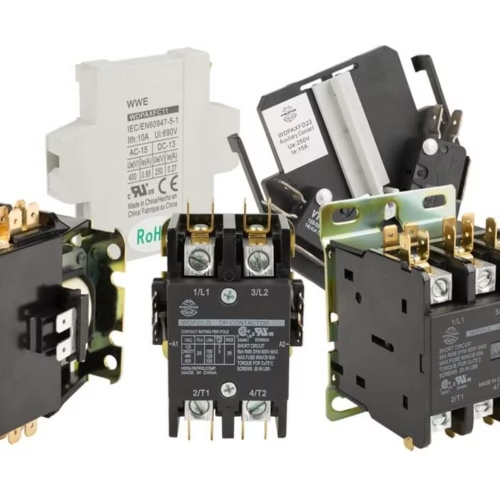
Contactors (12)
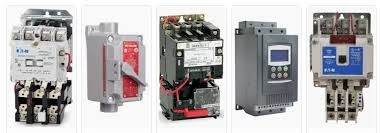
Motor Starters (1)
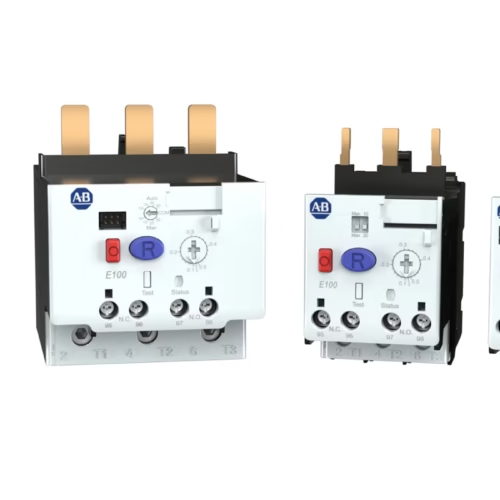
Overload Relays (4)

ABB Contactor AF370-30-11-13 | 1SFL607002R1311
Original price was: ر.ع.890.000.ر.ع.870.000Current price is: ر.ع.870.000.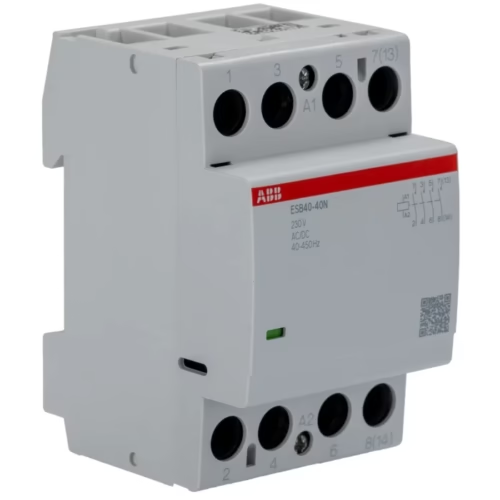
ABB ESB40-40N-06 ESB Contactor 40 A, 2.77 kW, 4NO
Original price was: ر.ع.88.000.ر.ع.83.000Current price is: ر.ع.83.000.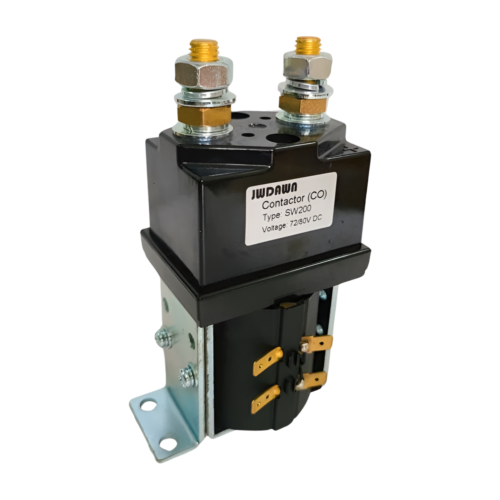
Acting Contactor SW200 | Solenoid Relay
Original price was: ر.ع.132.600.ر.ع.110.500Current price is: ر.ع.110.500.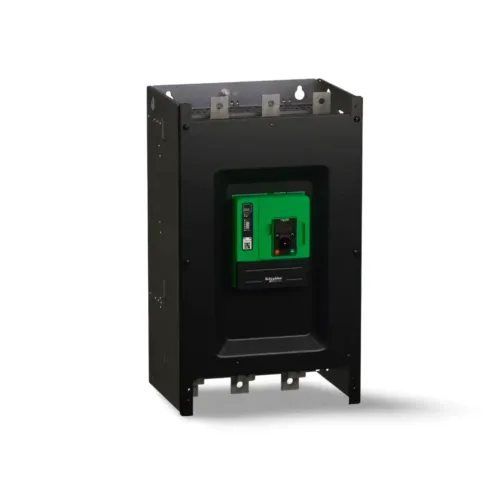
Altivar Soft Starter | ATS480C41Y (Schneider)
ر.ع.5,450.000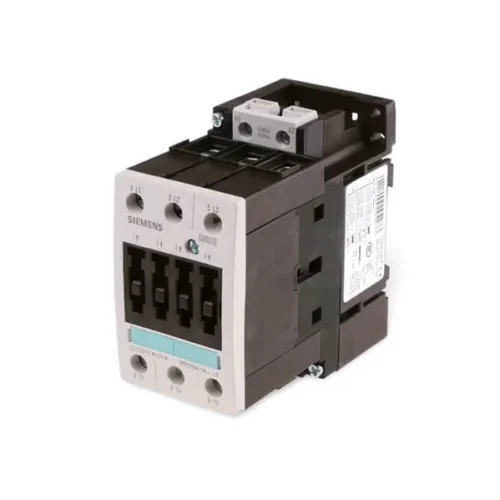
Contactor | 3RT1034-1AP00 (SIEMENS)
Original price was: ر.ع.68.000.ر.ع.63.000Current price is: ر.ع.63.000.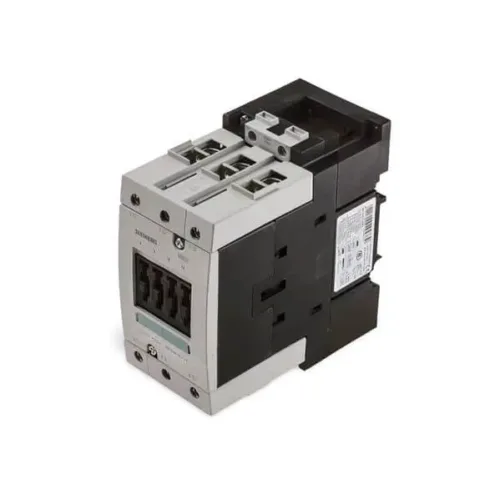
Contactor | 3RT1044-1AP00 (SIEMENS)
Original price was: ر.ع.83.000.ر.ع.78.500Current price is: ر.ع.78.500.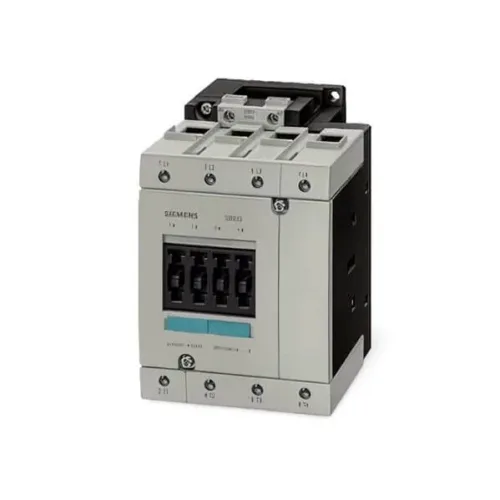
Contactor | 3RT1346-1AP00 (SIEMENS)
Original price was: ر.ع.126.000.ر.ع.123.000Current price is: ر.ع.123.000.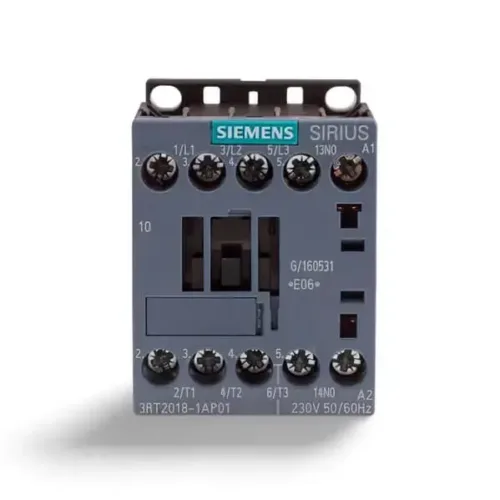
Contactor | 3RT2018-AP01 (SIEMENS)
Original price was: ر.ع.33.000.ر.ع.29.800Current price is: ر.ع.29.800.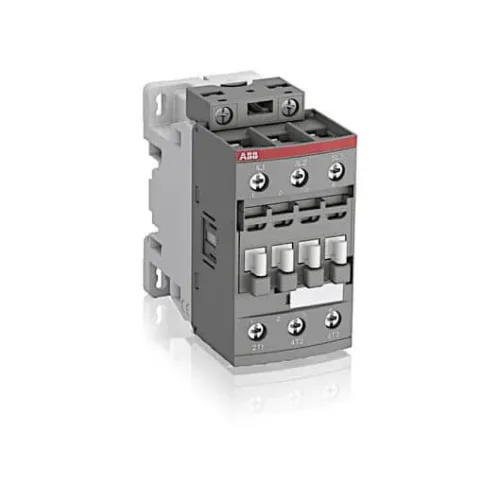
Contactor | AF26-30-00-14 (ABB)
Original price was: ر.ع.48.000.ر.ع.44.000Current price is: ر.ع.44.000.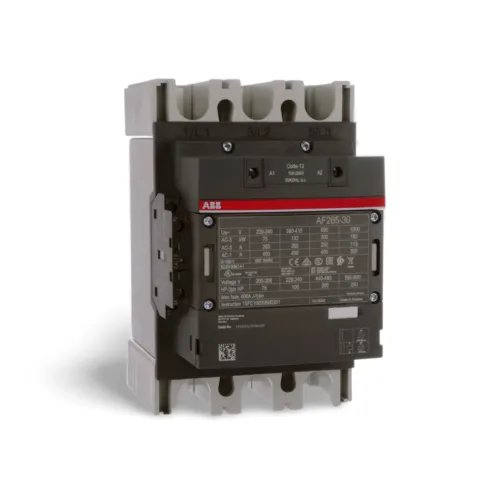
Contactor | AF265-30-11-13 (ABB)
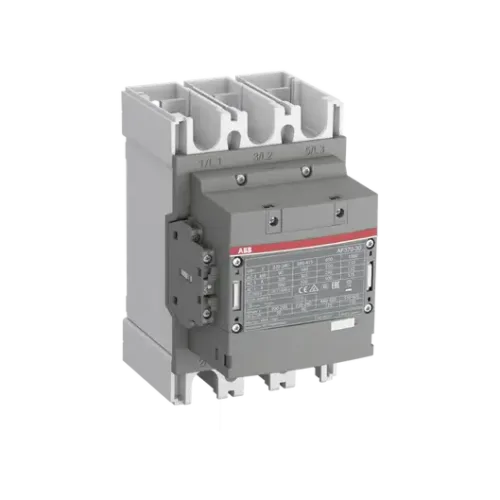
Contactor | AF370-30-11-12 (ABB)
Original price was: ر.ع.665.000.ر.ع.646.660Current price is: ر.ع.646.660.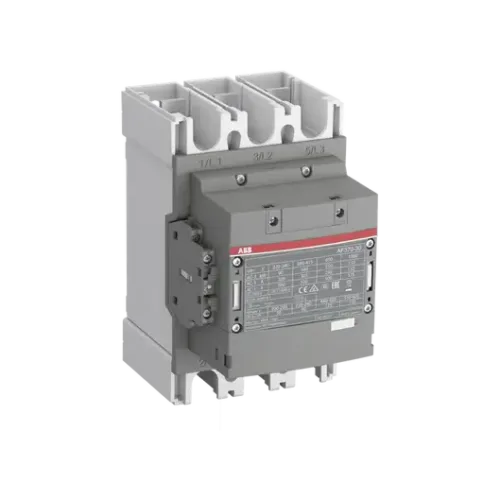
Contactor | AF370-30-11-13 (ABB)
Original price was: ر.ع.665.000.ر.ع.646.000Current price is: ر.ع.646.000.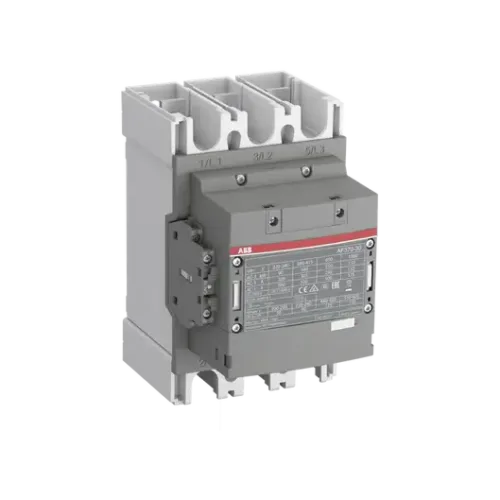
Contactor | AF370-30-11-14 (ABB)
Original price was: ر.ع.665.000.ر.ع.646.000Current price is: ر.ع.646.000.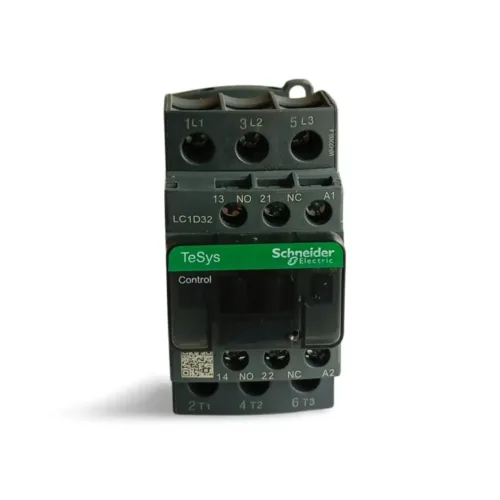
Contactor | LC1D32M7C (Tesys – Schneider)
Original price was: ر.ع.19.500.ر.ع.18.900Current price is: ر.ع.18.900.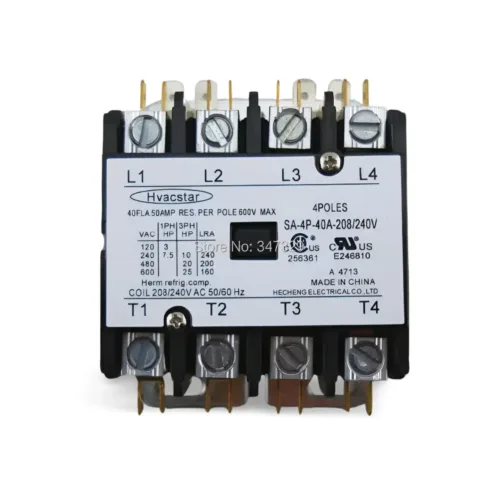
Contactor | SA-4P-40A-208/240V (Hvacstar)
ر.ع.12.500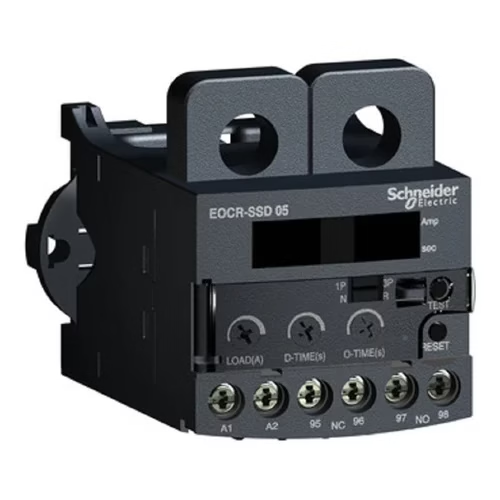
DSP EOCR-SSD Digital | Overload Relay Motor Protector
Original price was: ر.ع.68.800.ر.ع.62.900Current price is: ر.ع.62.900.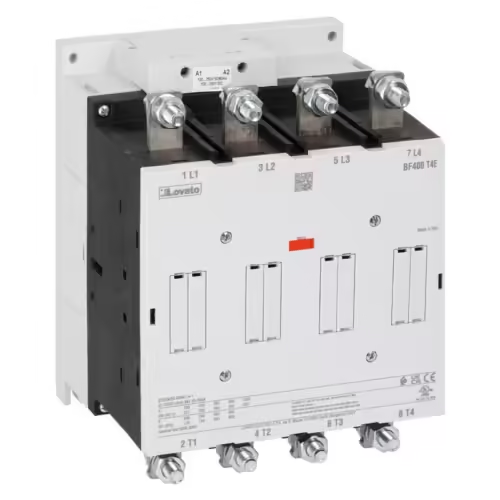
Lovato Contactor | BF330T4E230 AC/DC COIL
Original price was: ر.ع.1,550.000.ر.ع.1,480.000Current price is: ر.ع.1,480.000.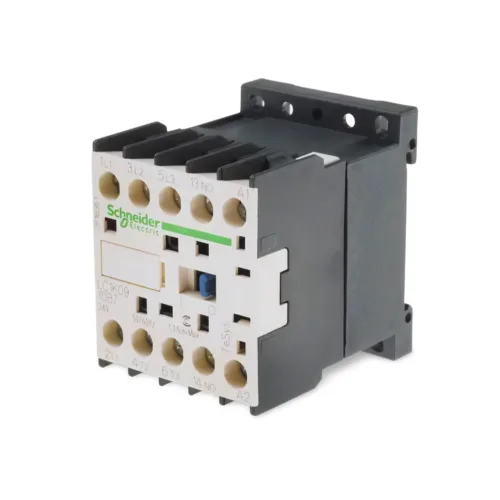
Mini Contactor | LC1K09 10B7 (Schneider)
ر.ع.13.200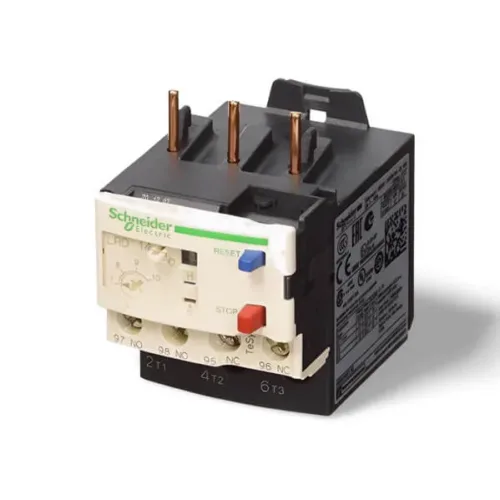
Overload Relay | OLR ( Schneider )
Original price was: ر.ع.22.500.ر.ع.19.600Current price is: ر.ع.19.600.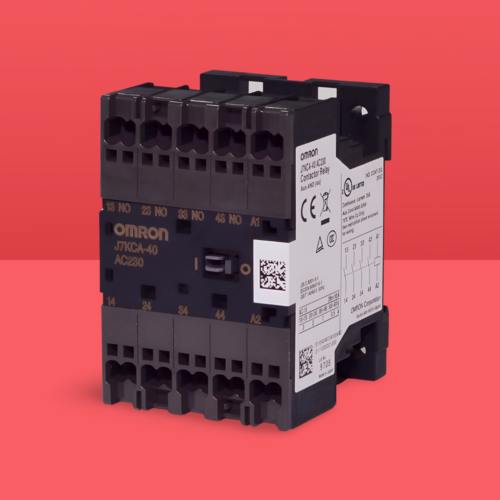
Relay Contactor Omron | J7KCA-22 AC400
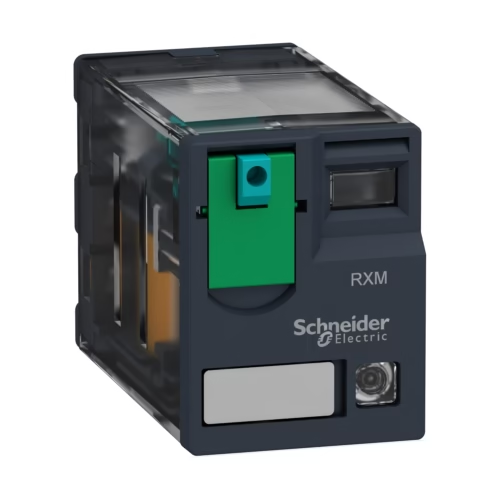
Schneider RXM2AB2BD | Relay 8Pin
Original price was: ر.ع.4.800.ر.ع.4.400Current price is: ر.ع.4.400.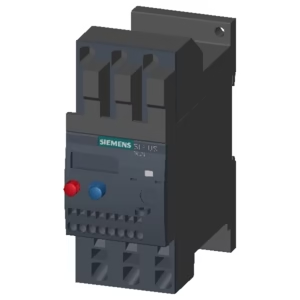
Siemens 3RU2126-4EC1 OLR 27–32A Motor Protection
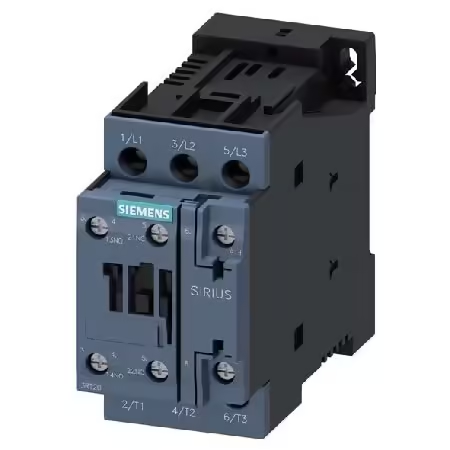
SIEMENS CONTACTOR | 3RT2025-1NB30
Original price was: ر.ع.44.500.ر.ع.42.800Current price is: ر.ع.42.800.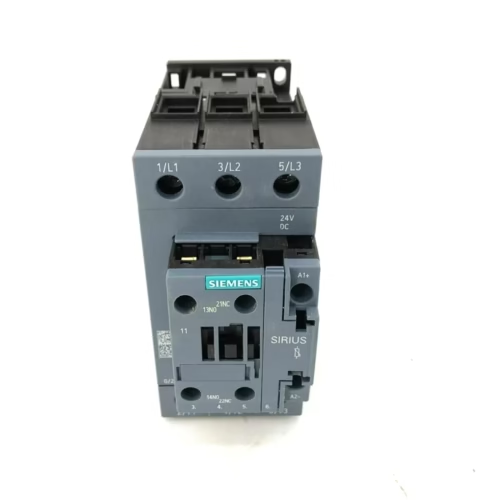
Siemens Coupling Contactor | 3RT2035
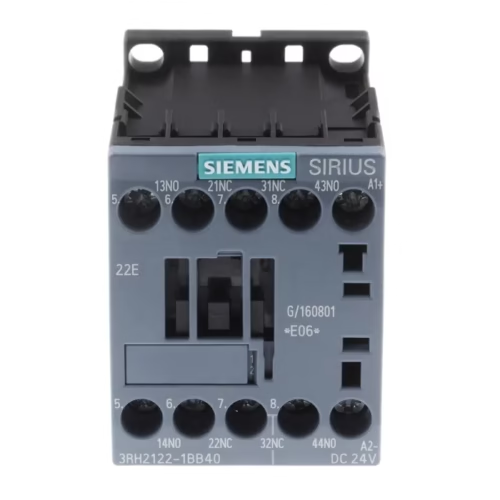
Siemens SIRIUS 3RH2 | Contactor 24VDC 4-Pole
Original price was: ر.ع.22.200.ر.ع.19.800Current price is: ر.ع.19.800.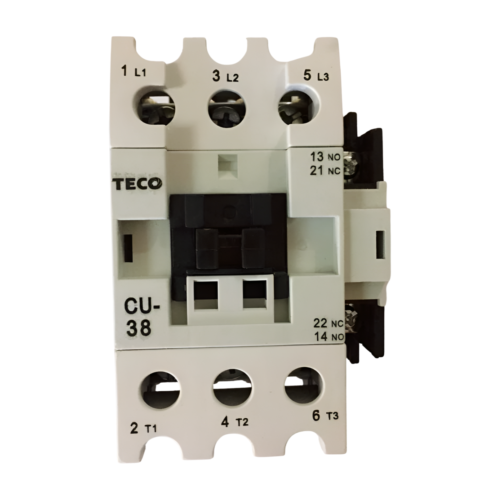
TECO Contactor CU-38 | 24V 110V 220V 380V
Original price was: ر.ع.45.000.ر.ع.42.500Current price is: ر.ع.42.500.